
Gynecological Symptoms: Understanding Your Concerns
Changes to your menstrual cycle, discharge, pain or intimate symptoms may have different causes. The consultation distinguishes situations suited to follow-up from those requiring investigation or prompt referral.
Irregular, Absent, Painful or Heavy Periods
Unpredictable cycles, missed periods, bleeding between periods or pain that limits activities can justify consultation. If your period is late and pregnancy is possible, a pregnancy test may be needed.
Assessment reviews how long symptoms have been present, contraception, treatments, recent events and associated symptoms. Ovulation disorders, uterine conditions and other medical causes may be investigated according to the context.
- Record the dates and duration of bleeding, including episodes between periods.
- Describe the amount of bleeding, clots, how often you change protection and effects on daily life.
- Mention unusual fatigue, breathlessness or dizziness.
- Describe pain and how it relates to the menstrual cycle.
Anemia testing, ultrasound or other examinations may be indicated. Treatment depends on the cause, severity and pregnancy plans. Heavy bleeding accompanied by faintness requires urgent assessment.
Discharge, Odour, Itching and Intimate Infections
Vaginal discharge varies during the cycle without necessarily indicating disease. Unusual changes, burning, itching or unpleasant odour may require assessment.
Not all these symptoms indicate a yeast infection. Irritation, altered vaginal flora, infections and skin disorders can appear similar. A description of discharge alone cannot always establish the diagnosis.
Mention products used, treatments tried, recurrences and any possible pregnancy. Examination or sampling may be proposed. Repeated antibiotics or antifungals without reassessment may be inappropriate when symptoms persist.
Fever, significant pelvic pain or deterioration in general health needs prompt medical attention rather than repeated empirical treatment.
Contraception Questions
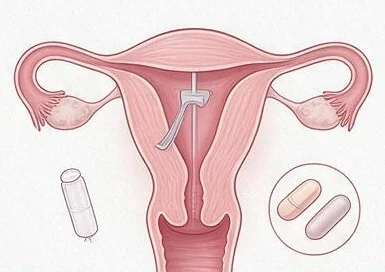
Would you like to start contraception, change methods, arrange removal or understand a side effect? These are all appropriate subjects for a gynecology consultation.
The section on contraception and individualized follow-up explains the main options and issues to discuss, without choosing a method before medical assessment.
Pelvic Pain or Pain During Sexual Intercourse
Lower abdominal pain can have gynecological, urinary, digestive or muscular causes. Pain during intercourse can involve the vulva, vaginal opening or deeper tissues.
Duration, location, relation to periods, urinary or digestive symptoms and circumstances help guide assessment. Pain should not automatically be blamed on stress.
Depending on circumstances, examination, a pregnancy test, swab or ultrasound may be discussed. Reassuring initial findings do not mean persistent pain should be ignored. Coordinated care may be required.
You can ask for an examination to be paused or stopped. Do not continue painful sexual activity under pressure. Sudden severe pain with faintness or bleeding needs urgent assessment.
Acne, Hair Growth and Hormonal Symptoms
Persistent acne, increased hair growth or hair loss, especially with infrequent periods, may prompt hormonal assessment. These signs alone do not establish a cause.
The consultation reviews when symptoms began, changes and medications. Targeted hormone tests are interpreted according to the menstrual cycle and treatment. Coordination with dermatology or endocrinology may be useful.
Do not stop or modify medication or contraception for blood tests without medical instructions.
Polycystic Ovary Syndrome (PCOS)
PCOS may involve irregular ovulation, infrequent or absent periods, acne or excess hair growth. Diagnosis requires a combination of criteria and exclusion of other causes. Ultrasound alone is insufficient; special considerations apply to adolescents.
Follow-up reflects your priorities: menstrual regularity, skin symptoms, contraception, metabolic health or pregnancy plans. Treatment options differ according to these goals.
PCOS does not mean pregnancy is impossible or IVF is necessary. When planning pregnancy, assessment also considers other fertility factors affecting both partners.
Reduced Sexual Desire, Vaginismus and Intimate Difficulties
Sexual desire varies between individuals and over life. If a change causes distress, consultation may address pain, fatigue, medications, hormonal changes and relationship context. There is no compulsory level of desire.
Vaginismus can involve involuntary contraction of muscles around the vagina during attempted penetration. It is not a lack of willpower. Assessment and care must respect your consent.
Find more information about care in the sexology and sexual health section and the dedicated FAQ.
Gynecological Follow-Up, Screening and Targeted Examinations
Preventive care allows review even when no symptoms are present. A consultation, internal examination, cervical screening and ultrasound are separate services. Their usefulness and timing depend on your circumstances.
Routine Gynecology Consultation
This appointment reviews medical history, treatments, previous results and prevention needs. You can discuss periods, contraception, sexual health, pregnancy plans or changes around menopause.
An internal examination is not automatic. If proposed, its purpose and steps are explained before asking for your agreement. Mention anxiety, pain or a previous difficult experience.
Follow-up frequency depends on age, symptoms, history and results. No symptoms does not mean all screening is unnecessary, but neither does it justify routine use of every test.
Cervical Screening, HPV Testing and Cervical Follow-Up
Depending on the indicated test, screening looks for cervical cell changes or certain human papillomaviruses. A positive HPV result does not mean cancer is present. Next steps depend on the result, medical history and context.
Test choice and screening intervals follow applicable recommendations. International schedules should not automatically be applied to patients in Tunisia. HPV vaccination does not eliminate the need for recommended screening.
Bring previous results rather than relying on an approximate recollection of them. Follow-up, colposcopy or additional sampling may be discussed. Unusual bleeding should be assessed without waiting for the next routine screening date.
Colposcopy: Examining the Cervix After an Unusual Result or Finding
Colposcopy examines the cervix using magnification. It is different from hysteroscopy, which examines the inside of the uterus.
Colposcopy may be discussed after certain screening results or depending on cervical appearance. Biopsy may be recommended if tissue needs analysis. Referral for colposcopy does not mean cancer has been diagnosed.
Before the examination, mention possible pregnancy, current medication and difficulties during previous examinations. Location, preparation and discomfort management should be confirmed with the team.
If a biopsy is taken, the arrangements for reporting and interpreting results and subsequent care should be explained. Results should not remain without medical interpretation.
Sexually Transmitted Infection (STI) Screening
Some STIs cause no symptoms. Test selection depends on possible exposures, symptoms, previous results and protection used. Not all swabs test for the same infections.
The time since exposure affects interpretation. A test performed too early may need repeating. Seek prompt advice after a concerning recent exposure because some preventive measures are time-sensitive.
For positive results, treatment, possible follow-up and precautions for partners depend on the infection. Hormonal contraception and IUDs do not protect against STIs.
Breast Examination and Risk Assessment
The consultation can address a breast change, include clinical examination when indicated and review family history. A new lump, unusual nipple discharge or changes to nipple or skin deserve evaluation even after recent reassuring imaging.
Mammography, ultrasound and other investigations serve different purposes. The choice depends on age, symptoms and risk level. The team confirms where imaging or a biopsy is arranged.
Screening aims for early detection but cannot guarantee absence of disease. Practical questions are covered in the breast health FAQ.
Hormonal Assessment: Tests That Address a Specific Question
Hormone tests may be useful for certain cycle problems, signs of excess androgens or difficulty conceiving. They are not a routine panel for every patient.
Test selection, sampling time and interpretation depend on the context. Contraception and some treatments can affect results. Do not stop them without medical advice.
One test result does not summarize your hormonal health, and normal tests do not mean symptoms are imaginary.
Hysteroscopy: Examining the Uterine Cavity
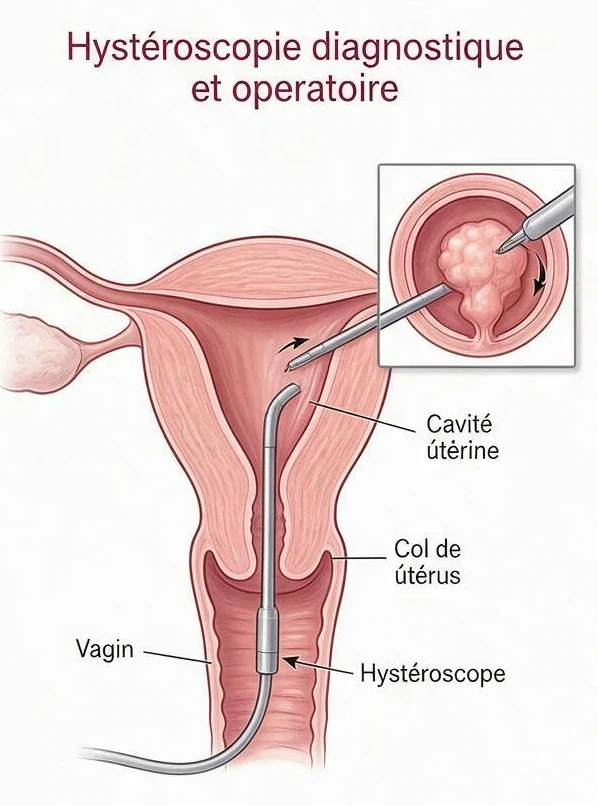
Hysteroscopy uses a thin camera instrument passed through the cervix to inspect the inside of the uterus. It does not replace assessment of the ovaries or tubal patency.
It may be discussed for unexplained bleeding, a cavity abnormality seen on imaging, polyps or certain fertility concerns. It is not required in every gynecological investigation.
- Diagnostic hysteroscopy examines the uterine cavity and may include biopsy.
- Operative hysteroscopy permits selected treatments, including suitable polyps or fibroids.
Preparation, possible pregnancy, pain-relief options and anesthesia should be discussed beforehand. Hysteroscopy can cause pain; arrangements are not identical for every patient. You may ask for the procedure to stop.
Location, aftercare, reporting time and contact details for problems are confirmed with the team. Fever, worsening pain, foul-smelling discharge or significant bleeding warrants prompt medical assessment.
For possible operations, also see the gynecological surgery page.
Contraception in Ennasr, Ariana: Choosing a Method and Arranging Follow-Up
Contraception is part of gynecological care. The consultation discusses a method suited to your health, lifestyle and pregnancy plans.
The decision is yours after discussing benefits, practical considerations and possible contraindications. It can be reviewed when your needs change.
How Do You Choose Contraception?
Your priorities matter: a hormone-free method, avoiding daily pills, effects on periods, discretion or future pregnancy plans. Medical assessment completes the discussion.
- Relevant personal and family history, especially blood clots.
- Certain migraines, blood pressure and smoking.
- Medications that may interact with a contraceptive method.
- Breastfeeding, recent childbirth or possible pregnancy.
- Periods, previous tolerance and ease of use.
Your choice should not depend solely on the method a friend or relative uses. Necessary tests and how to begin are clarified for your situation.
Contraceptive Pills: Formulation, Use and Tolerance
Combined pills contain estrogen and a progestogen; progestogen-only pills are also available. Suitability depends on medical history and possible contraindications.
The consultation explains how to start and take the prescribed pill and possible side effects. Missed-pill advice depends on the product, how late the dose is and individual circumstances; instructions are not interchangeable.
If daily dosing is difficult, bleeding is troublesome or your health changes, another method may be discussed. Switching should be planned to avoid an unintended lapse in protection.
Intrauterine Devices: Copper and Hormonal IUDs
An IUD is placed inside the uterus and provides long-term contraception. Copper IUDs contain no hormones; hormonal intrauterine systems release a progestogen. They affect periods differently.
The choice reflects your preferences, menstrual pattern and medical situation. Duration depends on the exact device. Before insertion, the clinician considers the possibility of pregnancy and whether testing is indicated.
Insertion, pain, risks and follow-up instructions are explained. Confirm how insertion is arranged, any prescriptions and how the device will be supplied.
Removal may be arranged at your request, when the device expires or for a medical indication. If pregnancy is not desired, recent intercourse and bridging contraception should be discussed beforehand. Never attempt to remove an IUD yourself.
Contraceptive Implants: A Method Without Daily Pills
The implant is placed beneath the skin of the arm and releases a progestogen. Suitability, possible interactions and effects on bleeding are discussed before choosing it.
Use duration is specified for the product and applicable circumstances. Insertion and removal require a trained professional.
Confirm with the practice when booking whether the method is available and insertion or removal can be provided there.
Other Methods and Protection Against STIs
Condoms, patches, vaginal rings and other methods may be discussed depending on the situation and availability. Mentioning an option does not mean it is available or suitable for everyone.
Pills, IUDs and implants do not protect against sexually transmitted infections. Condoms help reduce that risk and may be used alongside other contraception.
Fertility-awareness methods require specific instructions. An estimate from an app should not be treated as a guarantee against pregnancy.
Missed Pills, Condom Failure and Emergency Contraception
After a missed pill, incorrect use or unprotected intercourse, seek prompt advice. The next step depends on the method, timing, intercourse involved and other medication.
Emergency contraception may be discussed. Options, including certain pills or a copper IUD when indicated, have specific eligibility criteria and time windows. Do not wait for a routine appointment or email reply.
The clinician also explains when to restart contraception, whether backup protection is needed and when to take a pregnancy test.
Follow-Up, Switching and Stopping Contraception
Follow-up covers tolerance and difficulties without assuming every symptom is caused by contraception. New medication, unusual bleeding or changes in health may require reassessment.
Contraception can be adapted after childbirth, during breastfeeding or through menopause. When stopping it to conceive, individualized guidance and any necessary treatment adjustments can be discussed.
When changing methods, the dates and possible need for temporary additional protection should be confirmed to avoid an unintended pregnancy.
Fertility and the Wish to Conceive
A consultation can help prepare for pregnancy or explore difficulty conceiving. The gynecologist proposes appropriate assessment, then treatment or referral according to the findings. IVF is not automatically necessary.
Fertility Assessment: Considering Both Partners
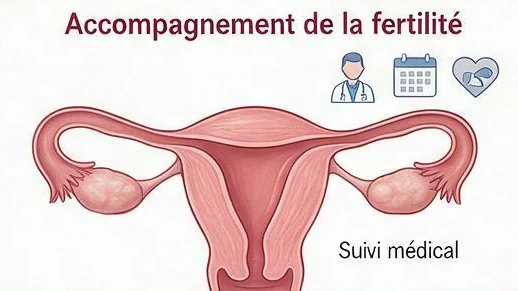
Assessment reviews how long you have tried to conceive, age, cycles, medical and surgical history, previous pregnancies and treatments. It should not focus exclusively on the woman.
Depending on circumstances, ovulation, the uterus and tubes, and semen analysis may be considered. Not every test is needed at the same time.
Without known risk factors, fertility assessment is generally considered after twelve months of trying under age 35 and after six months from age 35. After age 40 or with factors that may affect fertility, earlier consultation may be appropriate.
Ovulation, Cycles and Ovarian Reserve
Cycle patterns and selected tests help assess ovulation. Ultrasound monitoring or targeted hormone tests may be proposed when they will help guide decisions.
Apps provide estimates that are especially limited with irregular cycles. Monthly ultrasound monitoring is not necessary for every pregnancy plan.
AMH and antral follicle counts may contribute to assessing ovarian reserve. They do not independently predict natural pregnancy or directly measure egg quality.
Preconception Consultation
Before pregnancy, review chronic conditions, medicines, vaccinations, history and prevention needs. Smoking, alcohol, nutrition and workplace exposures can be discussed without blame.
Folate supplementation is generally discussed before conception and in early pregnancy. Dosing depends on individual risk factors. Do not combine supplements or stop important medication without medical advice.
Assisted Reproduction and Referral
Based on assessment, treatment of ovulation problems, insemination or IVF with or without ICSI may be discussed. These techniques are not interchangeable and have different indications.
The pathway identifies which centre performs procedures, team responsibilities, consent, timing and costs. Support from the practice does not mean egg retrieval, laboratory procedures or embryo transfer take place there. No treatment guarantees a live birth.
The Infertility and IVF page explains this pathway, options and limitations.
Gynecological Conditions and Menopause
An abnormality found during examination or ultrasound does not always require immediate treatment. The choice depends on symptoms, features, evolution and your plans.
Ovarian Cysts: Monitoring, Investigations or Surgery
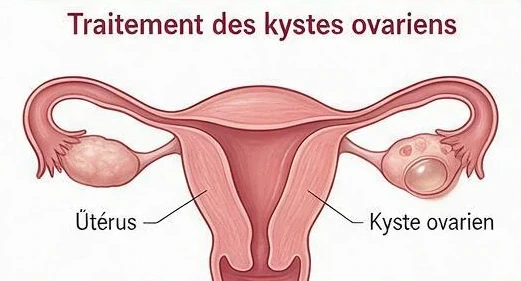
Many cysts are benign and some resolve spontaneously. Size alone is not sufficient to decide on surgery. Ultrasound appearance, symptoms, changes and menopausal status also matter.
Depending on results, monitoring, additional tests or a surgical opinion may be advised. Bring previous ultrasound reports for comparison.
When surgery is discussed, the operation, risks, possibility of preserving the ovary and implications for pregnancy plans must be explained.
Sudden severe pain, particularly with nausea, vomiting or faintness, needs urgent assessment.
Uterine Fibroids: Understanding Their Location and Management Options
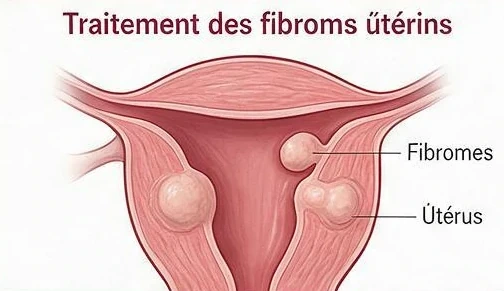
Fibroids are generally benign growths of uterine muscle. They may be in the wall, bulge into the cavity or grow toward the outer surface. Their location matters as much as size when considering effects.
Some are asymptomatic. Others cause heavy periods, anemia, pelvic pressure or urinary symptoms. In certain situations their location matters during fertility investigations.
Ultrasound helps describe their number, size and location. Further examinations may be recommended if a particular question needs answering.
- Monitoring may be suitable if a fibroid causes no problems requiring treatment.
- Medication may be discussed for symptoms, particularly bleeding.
- Myomectomy removes fibroids while preserving the uterus; the surgical approach depends on the case.
- Other procedures, including some nonsurgical options, require specialist assessment and confirmation of availability.
A fibroid does not automatically require hysterectomy. Pregnancy plans, risks, alternatives and consequences must be considered. Preserving the uterus does not independently guarantee future pregnancy.
Cervical and Uterine Polyps
A polyp is a growth involving the cervix or uterine cavity. It may be found during investigations for bleeding, fertility or another reason.
Management depends on location, features, symptoms and context, particularly after menopause. An image suggestive of a polyp may not establish its exact nature.
Hysteroscopy, removal and tissue analysis may be proposed when appropriate. The setting, pain relief and result follow-up are clarified beforehand.
Endometriosis: Pain, Diagnosis and Pregnancy Plans
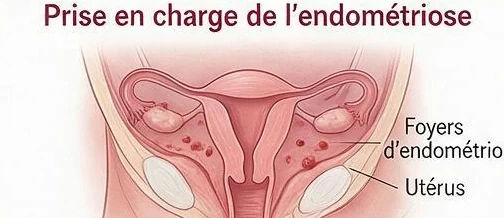
Endometriosis involves tissue resembling the uterine lining outside the uterus. It may be associated with painful periods, pelvic pain, painful sex or difficulty conceiving.
The consultation reviews symptom patterns, effects on life, digestive or urinary symptoms, treatments tried and imaging findings. A normal ultrasound does not rule out all forms.
Care depends on your priorities: pain relief, quality of life or pregnancy plans. Medication, hormonal treatment or selected surgery may be discussed. Surgery is not routine for everyone.
Certain forms require specialist assessment or coordinated teams. With pregnancy plans, age, ovarian health, previous surgery and other fertility factors also enter the discussion.
The pages on Fertility and IVF and Gynecological Surgery explain the corresponding pathways without presenting surgery or IVF as automatic solutions.
Hormonal Problems: Connecting Symptoms and Test Results
Menstrual changes, unusual hair growth, persistent acne or other signs may need investigation. Not all hormonal causes originate in the ovaries; other endocrine systems and medications may contribute.
Investigations are guided by symptoms and their evolution rather than a standard list of tests. Results must be interpreted in the context of medication and clinical circumstances. Specialist coordination may be useful.
Perimenopause and Menopause: Symptoms, Contraception and Treatment
The menopausal transition may involve menstrual changes, hot flushes, sleep disturbance and intimate discomfort. Consultation distinguishes symptoms consistent with this period from those needing other investigations.
Management depends on symptom severity, medical history, risk and preferences. Hormonal or nonhormonal approaches may be discussed; not all are suitable in every situation.
Treatment of menopausal symptoms does not automatically replace contraception. This need should be reviewed during the transition. Dryness and intimate pain may require specific treatment.
Any bleeding after menopause needs assessment, even if light or occurring once. It should not automatically be attributed to dryness or treatment.
Intimate Health and Women’s Well-Being
Intimate symptoms may affect everyday life, confidence and how you feel about your body. Care begins by identifying the problem rather than assuming a device, laser or operation is the solution.
Recurring Symptoms: Confirm the Cause Before Repeating Treatment
Repeated burning, discharge or itching requires a review of the diagnosis. Irritation or skin disease can mimic infection. Previous swab results and treatments are useful at consultation.
The plan depends on the confirmed cause, possible pregnancy and other medical factors. It may involve medication, appropriate self-care and reassessment. No programme can guarantee that symptoms will never recur.
Avoid prolonged or repeated treatments without a confirmed indication, irritating products and internal washing or douching.
Vaginal Dryness and Intimate Discomfort
Dryness may occur around menopause, during breastfeeding or for other reasons, including medication. It can cause burning, irritation or discomfort during sex.
Examination looks for other possible causes when indicated. Lubricants, vaginal moisturizers or certain local medical treatments may be discussed. Hormone treatment requires individual assessment.
Dryness does not automatically justify a laser or aesthetic procedure. Potential benefits, limitations and alternatives should be explained for any option considered.
Irritation, Lesions and Vulvar Pain
The vulva is the external genital area. Redness, itching, fissures, pain or changes in appearance can have several causes. An external examination may be proposed with your consent.
Mention hygiene products, local treatments and when symptoms began. Persistent pain may require specialist assessment even if the skin appears normal.
A persistent, changing or bleeding lesion deserves examination. Avoid repeated local treatments without diagnosis, particularly if they worsen symptoms.
Sexology: Desire, Pain and Penetration Difficulties
The consultation can address desire, arousal, orgasm, comfort and the impact of problems. It considers health, life experiences, medicines and relationship factors without assuming a single cause.
You can attend alone. Partner participation is considered if you want it and it is safe. An intimate examination must not be imposed before discussing sexual difficulties.
For vaginismus or painful sex, medical, psychosexual and pelvic floor approaches may be coordinated. Your pace and consent remain essential.
Confidentiality and its limits are explained in accordance with applicable rules, particularly for minors or situations involving danger. Uniform improvement cannot be promised for every patient.