
What Is IVF?
In vitro fertilization, or IVF, is an assisted reproductive technique in which eggs are fertilized by sperm in a laboratory. An embryo may then be transferred into the uterus according to the medical plan. Not every delay in conceiving calls for IVF, and treatment does not guarantee pregnancy or a live birth.
The plan may include transfer after the treatment cycle or transfer of a frozen embryo at a later date when appropriate. The team explains the reason for each stage before treatment begins.
Where Do Fertility and Infertility Consultations Take Place?
Consultations are provided by Dr Ines Ben Hassen Hached in Ennasr, Ariana, Tunis, Tunisia. The practice is on the first floor, office BA5 bis, Résidence La Coupole, 2 Avenue Hédi Nouira, Ennasr, Ariana 2037. The location of egg retrieval, laboratory work and embryo transfer is confirmed with the team; these procedures should not be assumed to take place in the consultation office.
What Must Be Confirmed Before Starting?
Ask for the name of the assisted reproduction center, the location of the procedures, the role of each professional, arrangements for monitoring and laboratory tests, and a number to contact if problems occur outside regular appointments. This page is not a list of procedures performed at the practice.
When Should You Seek a Fertility Assessment?
If a couple has regular intercourse without contraception and no known cause of infertility, assessment generally begins after 12 months when the woman is younger than 35, or after 6 months from age 35. After age 40, earlier assessment may be appropriate. Do not wait this long if a known factor may affect fertility.
When Should You Consult Earlier?
- For absent periods or markedly irregular cycles.
- When there is a known tubal condition or a disease that may affect fertility.
- If a previous semen analysis showed an abnormality.
- Following treatment or an operation that could affect fertility.
- When persistent difficulties prevent intercourse or semen deposition.
These timeframes are guidelines for starting an assessment, not reasons to delay consultation if you have a particular medical concern.
Does Fertility Assessment Involve Both Partners?
Yes. Difficulty conceiving may involve female factors, male factors or both. Some cases remain unexplained after assessment. Depending on circumstances, evaluation covers history, ovulation, uterus, fallopian tubes and semen analysis. Not every couple needs the same tests.
Should I Request All Laboratory Tests Before the Consultation?
Not necessarily. The tests and their timing depend on symptoms, age and previous results. Bring existing documents first to avoid unnecessary repetitions or tests performed at an unsuitable time.
Do not attribute responsibility for difficulty conceiving to one partner without appropriate assessment.
Does an Infertility Consultation Lead Directly to IVF?
No. The approach depends on the cause, age, duration of trying to conceive and previous results. Depending on the indication, observation, treatment of an identified condition, ovulation stimulation, intrauterine insemination or IVF may be discussed. Not every option is suitable for every situation.
Is Intrauterine Insemination the Same as IVF?
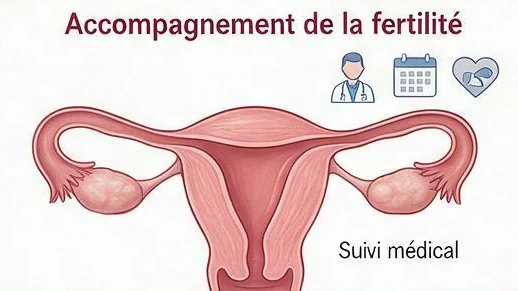
No. In intrauterine insemination, prepared sperm are placed in the uterus around ovulation. In IVF, fertilization takes place in a laboratory. The choice depends on the couple's assessment findings.
Further reading: questions about medical gynecology and questions about ultrasound.
What Is the Difference Between Conventional IVF and ICSI?
In conventional IVF, eggs are placed together with sperm in the laboratory. ICSI involves injecting one sperm into a mature egg. The choice depends on the investigation results and clinical indication. ICSI is not necessary or superior in every situation.
You can ask why a technique is proposed, what benefit is expected and what cannot be guaranteed. Fertilization in a laboratory alone does not guarantee pregnancy.
Is IVF Care Individualized, and What Are Its Stages?
Yes. The care pathway is tailored after assessing both partners. It may include medical preparation, monitored ovarian stimulation, egg retrieval, laboratory fertilization and embryo culture, followed by transfer or freezing of suitable embryos according to the plan. The cycle may be adjusted and certain stages postponed depending on response and safety.
How Is Follow-Up Organized?
- Review of the medical file and explanation of the treatment plan, medications and required consent forms.
- Monitoring of ovarian response with ultrasound and laboratory tests where necessary.
- The care team sets the exact timing of medication and procedures.
- Discussion of egg retrieval, fertilization and embryo development results.
- Arrangements for Embryo Transfer or Freezing, Follow-Up and Pregnancy Testing.
How Long Does Treatment Take?
Treatment duration varies according to the protocol and whether preparation or a later frozen embryo transfer is needed. Ask for a clear appointment schedule rather than relying on another patient's treatment duration. Not every cycle leads to embryo transfer.
Can Success Be Guaranteed on the First Attempt?
No. Results depend on age, the cause of infertility, egg, sperm and embryo factors, and response to treatment. Pregnancy and live birth rates must be distinguished, and it should be clear whether a figure is calculated per cycle, egg retrieval or transfer. Statistics from another center are not an individual prediction.
How Should I Interpret a Quoted Success Rate?
- Does the Figure Refer to a Positive Test or a Live Birth?
- Is the Rate Calculated per Cycle Started, per Egg Retrieval or per Transfer?
- Are Cycles Without Embryo Transfer Included in the Figures?
- What Are the Ages and Characteristics of the Patients Included?
- Is It a Rate per Attempt or Cumulative Across Several Attempts?
These questions help put estimates into context, without treating them as promises of results.
What Risks Should Be Discussed Before Treatment?
Risks can include ovarian hyperstimulation, egg retrieval complications such as bleeding or infection, ectopic pregnancy or multiple pregnancy. They depend on the protocol and individual circumstances; ways to reduce them are discussed before treatment. Transferring several embryos does not guarantee success and increases the risk of a multiple pregnancy.
Why Should I Not Change Stimulation Doses Myself?
Medication doses and timing are adjusted according to the patient's response and monitoring results. If you miss a dose or make an error, contact the team for specific instructions instead of doubling a dose yourself.
How Can I Address the Emotional Strain of Fertility Treatment?
Treatment can be physically and emotionally demanding. You can discuss psychological support, time to reflect or a break between attempts. An unsuccessful attempt is not a personal failing or evidence that you did not try hard enough.
When Should I Take a Pregnancy Test After Embryo Transfer?
The team schedules testing according to the transfer date, protocol and test type. Testing too early can be misleading. Follow the planned date and do not change doses or stop medication based only on early home testing or symptoms.
Can Symptoms Show Whether an Attempt Has Succeeded?
Symptoms, or their absence, cannot determine the outcome. If the test is positive, the team arranges the follow-up needed to assess progression and pregnancy location. If negative, the attempt and future options are reviewed without assuming the same treatment must immediately be repeated.
Further reading: questions about pregnancy follow-up.
How Should I Prepare for My First Consultation?
Bring your laboratory tests, imaging reports, semen analysis if available, records of previous surgery or fertility treatment, and a list of medications and allergies. Indicate how long you have been trying to conceive, whether your cycles are regular and any previous pregnancies. Do not start ovarian stimulation medicines or supplements prescribed to someone else without a medical assessment.
What Practical Questions Should I Ask?
- Which Tests Are Needed and Why?
- Which Options Are Suitable and Why Is One Preferred Over Another?
- Where Are Laboratory Tests and Procedures Performed, and Who Coordinates Results?
- What Is the Estimated Cost and What Exactly Is Included?
- Are Medications, Laboratory Work, Freezing and Storage Charged Separately?
- Which Appointments Require Attendance or Changes to Work Arrangements?
Treatment conditions, consent and storage of reproductive material depend on local rules and the center providing your care. Eligibility or funding requirements from another country do not automatically apply in Tunisia.
Which Signs Require Prompt Help?
Contact the care team promptly if you develop increasing abdominal pain or swelling, persistent vomiting, dizziness or unusual bleeding during treatment.
Seek urgent care for breathing difficulties, chest pain, loss of consciousness, severe pain particularly on one side, or markedly reduced urine output with worsening general health. Do not wait for a response through the website or by email.
Also follow the instructions of the center providing your care. The practice's usual contact channels are not a guaranteed emergency service.
How Do I Book a Fertility Consultation?
Call +216 27 550 875 or +216 25 333 530 to confirm an appointment. The practice is open Monday to Saturday, 9:00 a.m.–6:00 p.m., and closed on Sundays. Ask about required documents, the fee and arrangements for coordinating tests or referrals.
Dr Ines Ben Hassen Hached's Practice
1st floor, office BA5 bis, Résidence La Coupole,
2 Avenue Hédi Nouira, Ennasr,
Ariana 2037, Tunisia.
Email: inesbenhassen94@gmail.com
Do not send a complete medical record or sensitive documents unsolicited by email. Ask first how to transmit the necessary files.