
What Is Senology?
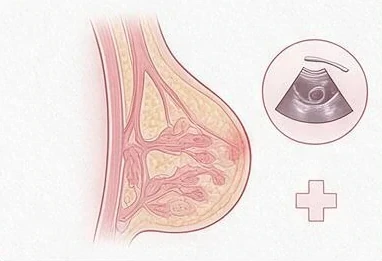
Senology covers the evaluation of breast health and symptoms, follow-up of benign or suspicious findings, and arrangement of examinations or referrals when necessary. Care may involve consultation, clinical examination, imaging or tissue sampling, depending on the circumstances. Being referred for an additional examination does not mean cancer is present.
Follow-up may require coordination between the gynecologist, radiologist and a specialist breast team. The next steps depend on all the findings, not on one symptom alone.
When Should You Seek Breast-Health Follow-Up?
Seek medical advice for a new lump or area of thickening in the breast or armpit, unusual nipple discharge, a recent change in the shape of the breast, skin or nipple, or persistent pain. If you have no symptoms, screening can be discussed according to age and risk.
What Changes Should Be Reported?
- A new lump, swelling or persistent change in an area.
- Skin retraction, unusual dimpling or an orange-peel appearance.
- A nipple that has recently become inverted or a persistent change around it.
- Spontaneous or bloody nipple discharge.
- A clear recent change in size or shape.
These signs do not prove cancer, but they warrant investigation to identify the cause.
Where Do Breast Follow-Up Consultations Take Place?
Consultations are provided by Dr Ines Ben Hassen Hached in Ennasr, Ariana, Tunis, Tunisia. The practice is on the first floor, office BA5 bis, Résidence La Coupole, 2 Avenue Hédi Nouira, Ennasr, Ariana 2037. Imaging, sampling or specialist care is arranged at an appropriate location according to the patient's needs.
Mention of an examination on this page does not mean it is performed at the practice. Confirm where each procedure takes place, how to prepare and how the report will be provided.
Does the Practice Support Breast Screening?
Yes. A consultation can assess needs and risk factors and discuss tests appropriate to age, history and local recommendations. This does not mean mammography, MRI or biopsy is performed at the practice. New symptoms require diagnostic assessment without waiting for routine screening.
What Is the Difference Between Screening and Diagnostic Assessment?
Screening looks for disease in people without symptoms. When there is a lump, discharge or recent change, examinations are selected to explain that finding. The type and timing of tests may therefore differ from routine screening.
Is There a Single Screening Age or Interval for All Patients?
This page does not prescribe a single screening schedule. Recommendations depend on age, personal and family history, previous results and applicable guidance in Tunisia. A schedule from another country does not automatically apply to your situation.
Does Every Breast Lump Mean Cancer?
No. Many lumps have benign causes, but their nature cannot be determined by touch alone or by whether pain is present. Any new lump or persistent change should be assessed. Imaging or sampling may be necessary to clarify the cause.
Do not assume a lump is harmless simply because it feels soft, movable or painful. Note when it appeared, whether its size has changed and any accompanying symptoms.
Is Breast Pain Alone a Sign of Cancer?
Breast pain on its own is generally not a sign of breast cancer and can have different causes. Persistent localized pain or pain with a lump, skin or nipple change should nevertheless be assessed. The presence or absence of pain cannot confirm or rule out a diagnosis.
What Information Is Useful During the Consultation?
- Does the Pain Affect One Breast or Both?
- Is it confined to one spot or more widespread?
- Does It Vary with Periods or Movement?
- Is there a lump, redness or discharge?
- Are You Breastfeeding, Injured or Taking a New Medicine?
What Is the Difference Between Mammography, Breast Ultrasound and MRI?
Mammography uses X-rays, ultrasound uses sound waves, and MRI is recommended in certain selected circumstances. The choice depends on age, symptoms, risk factors and the clinical examination. These tests are not interchangeable and every patient does not need all of them.
Does Ultrasound Always Replace Mammography?
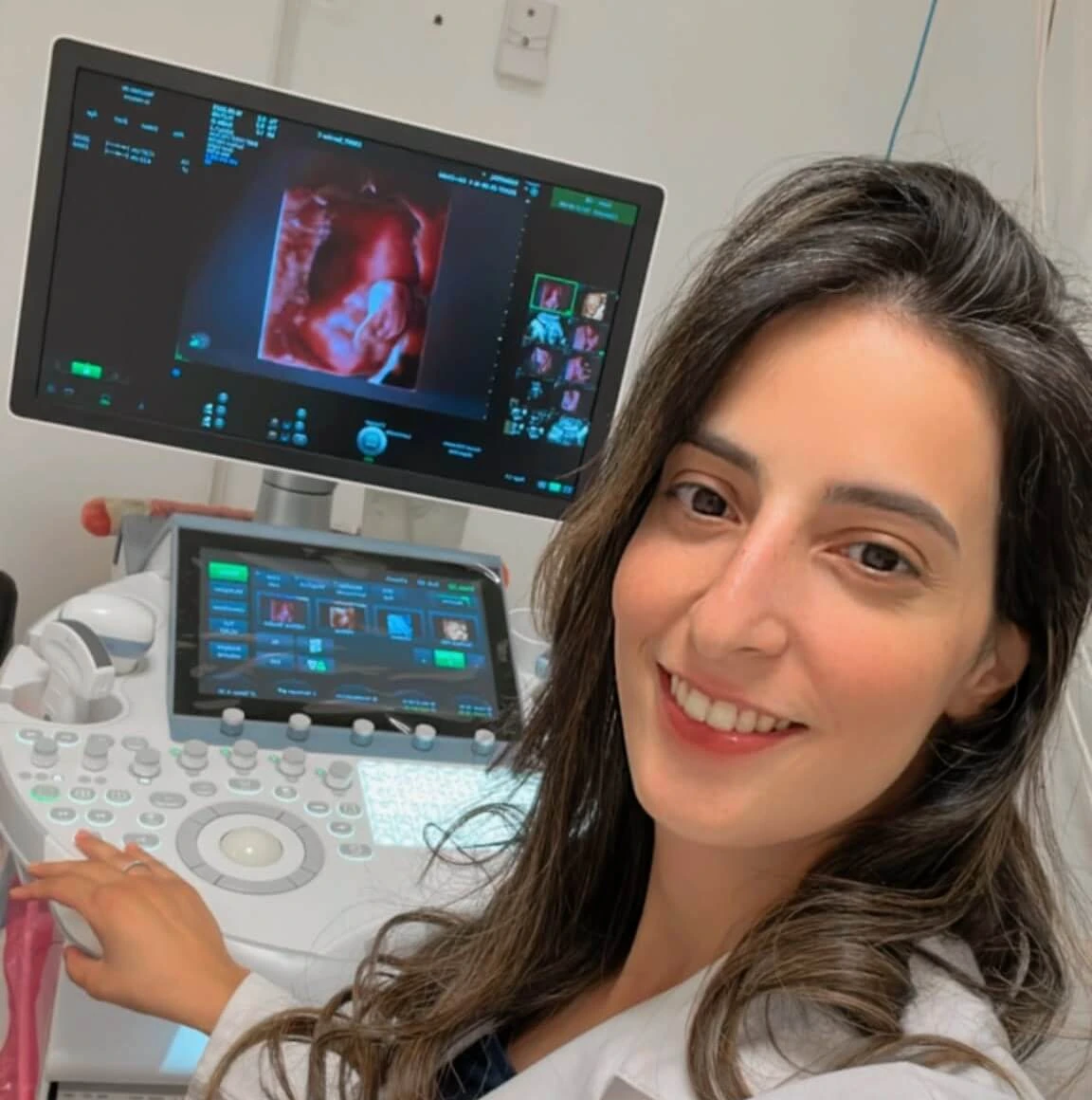
No. The examinations may provide different information and can be used together to answer a medical question. Do not replace a recommended test without discussing its purpose and limitations with the team.
What if I Am Pregnant or Breastfeeding?
Mention possible pregnancy or breastfeeding during the consultation and before imaging. The team will select an appropriate examination. Do not delay evaluation of a new lump solely because of pregnancy or breastfeeding.
For general information about ultrasound: questions about ultrasound.
Should I Consult if Previous Imaging Was Normal?
Yes, if a new lump or symptoms appear or a concerning change persists. A previous normal result does not rule out a new problem. Do not wait for the next screening examination. Bring previous images and reports for comparison.
If symptoms persist despite reassuring results, tell the doctor. Clinical reassessment, review of imaging or specialist advice may be considered.
When Should You Consult for Nipple Discharge?
New or unexplained nipple discharge should be discussed, especially if spontaneous, unilateral, bloody or associated with a lump or nipple change. Mention pregnancy, breastfeeding and medications. Avoid repeatedly squeezing the nipple to check the discharge.
Specify when it began, its color, which side is affected and whether it appears without pressure. Color alone cannot identify the cause.
Does Family History Change Follow-Up?
Family history can affect your risk. Mention breast or ovarian cancer on both the maternal and paternal sides, ages at diagnosis and any known genetic results. Some situations require specialist risk assessment or genetic counseling. A family history does not mean disease is certain, and its absence does not remove risk.
If relevant family records are available, bring them while respecting the privacy of those concerned. Do not request a genetic test at random without understanding its purpose, limitations and possible follow-up consequences.
Does Being Referred for a Biopsy Mean Cancer Has Been Confirmed?
No. A biopsy involves collecting cells or tissue for analysis when more information is needed about an abnormality. The procedure, location, preparation, risks and delivery of results are explained. Next steps depend on agreement between examination findings, imaging and laboratory analysis.
Does Every Mass Require a Biopsy?
Not necessarily. The decision depends on assessment, features of the abnormality and previous results. Some situations require monitoring and others tissue sampling. Do not choose waiting or a procedure based on fear alone without medical discussion.
If monitoring is recommended, ask for its precise date and the signs that require you to return earlier.
How Should I Prepare for a Breast-Health Follow-Up Consultation?
- Bring previous scans and their reports, if available.
- Bring the results of previous breast biopsies or operations.
- Note when the symptom began, how it has changed and any relationship to your menstrual cycle.
- Mention all medication, hormonal treatments and allergies.
- Mention pregnancy, breastfeeding and important family history.
What Happens During the Clinical Examination?
The examination is explained before it begins. It may involve visual inspection of the breasts and examination of the affected area and underarm when appropriate. Ask for explanations or for the examination to stop if you experience pain or concern. You may ask whether a support person can accompany you.
Fasting is not necessary for every consultation. If imaging or a procedure is planned, ask the team carrying it out for instructions. Do not send intimate photographs unsolicited by email.
When Should You Seek Prompt or Urgent Assessment?
Arrange an early appointment for a new mass, a clear skin or nipple change, or bloody or spontaneous discharge. Do not wait until your next routine screening.
Redness, warmth or painful swelling with fever or worsening health needs prompt assessment, particularly while breastfeeding. Do not assume these symptoms are simply breast engorgement.
For breathing difficulties, loss of consciousness or significant deterioration, seek urgent help immediately. Do not wait for a response through the website or by email.
This list is not exhaustive. The practice's usual contact channels do not constitute a guaranteed emergency service. Seeking prompt assessment does not necessarily mean a serious diagnosis; it helps identify the cause without unnecessary delay.
How Do I Book a Breast-Health Appointment?
Call +216 27 550 875 or +216 25 333 530 to confirm an appointment. The practice is open Monday to Saturday, 9:00 a.m.–6:00 p.m., and closed on Sundays. Mention any new lump or significant change when booking and ask about the fee and necessary documents.
Dr Ines Ben Hassen Hached's Practice
1st floor, office BA5 bis, Résidence La Coupole,
2 Avenue Hédi Nouira, Ennasr,
Ariana 2037, Tunisia.
Email: inesbenhassen94@gmail.com
Do not send intimate photographs or a complete medical record unsolicited by email. Ask first how to transmit the necessary reports.