
What Is Gynecological Surgery?
Gynecological surgery includes diagnostic or therapeutic procedures for certain conditions affecting the uterus, ovaries, fallopian tubes and pelvic organs. The aim may be to obtain a tissue sample, remove a lesion or treat a condition affecting health or quality of life.
A gynecological condition does not automatically require surgery: monitoring, medication or other approaches may be appropriate.
When May a Procedure Be Considered?
A procedure may be considered when symptoms are significant or persistent, investigations support an intervention or alternatives are unsuitable. The decision depends on diagnosis, symptoms, age, health and pregnancy plans, not merely the name of the condition.
What Situations May Lead to a Discussion About Surgery?
- Certain fibroids that cause symptoms or specific problems.
- Certain ovarian cysts that persist, cause symptoms or have concerning features.
- Certain polyps within the uterine cavity.
- Selected cases of endometriosis.
- Certain cases of pelvic organ prolapse.
What Should I Understand Before Giving Consent?
Ask for an explanation of the diagnosis, expected goal, alternatives, risks and possibility that symptoms may persist or return. Discuss the consequences of waiting if observation is an option. You may request time to consider or a second opinion when medically appropriate.
Does Every Ovarian Cyst Need Surgery?
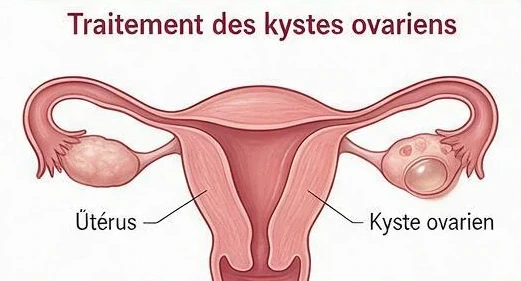
No. Some cysts disappear on their own and can be monitored. Surgery may be considered if the cyst persists, is large, causes symptoms or has features needing further investigation. Age, menopausal status and pregnancy plans are taken into account.
Can the Cyst Be Removed While Preserving the Ovary?
This is possible in some situations but not all. The surgeon explains what may be preserved and which circumstances could require a change of approach during surgery. Preservation of an ovary or fertility cannot be guaranteed in every case.
Sudden severe pelvic pain, particularly with nausea or vomiting, requires urgent assessment: do not wait for a routine consultation.
Does a Fibroid Mean Hysterectomy Is Required?
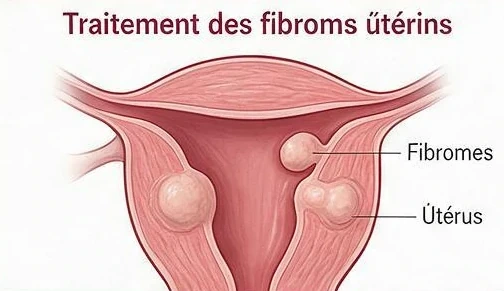
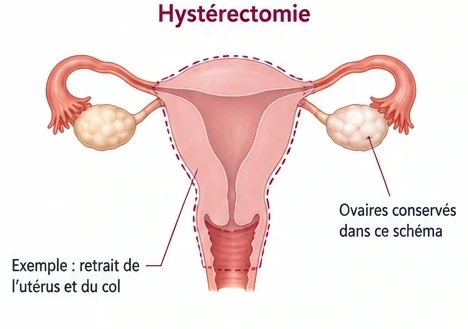
No. Not all fibroids require surgery, and surgery does not automatically mean removal of the uterus. Depending on symptoms, size, location and pregnancy plans, options may include monitoring, medication, removal of fibroids or other appropriate procedures.
Why Should I Discuss Pregnancy Plans Before a Decision?
Your pregnancy plans can influence treatment choices. Hysterectomy removes the uterus and makes it impossible to carry a pregnancy. Some procedures preserve the uterus, but do not guarantee a future pregnancy.
What Is the Difference Between Hysteroscopy and Laparoscopy?
Hysteroscopy: Looking Inside the Uterus
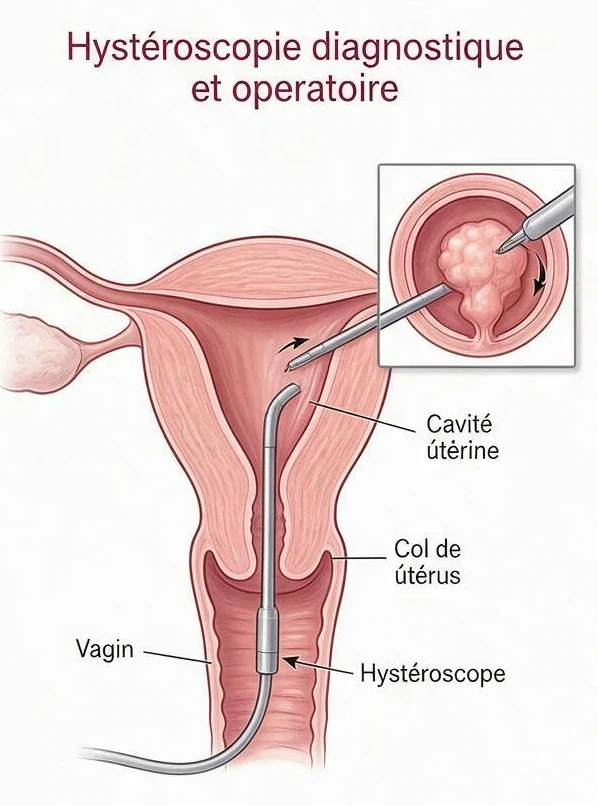
Hysteroscopy examines the uterine cavity through the vagina and cervix without an abdominal incision. Depending on the circumstances, it may investigate an abnormality, obtain a biopsy or treat certain lesions within the cavity. Pain management and anesthesia vary with the procedure and individual needs.
Laparoscopy: Accessing Pelvic Organs
Laparoscopy makes it possible to view pelvic organs through small abdominal incisions and perform certain surgical procedures. It requires suitable preparation and anesthesia assessment. It is not indicated in every situation.
Is Minimally Invasive Surgery Always Preferable?
No single surgical route is right for every patient. The choice depends on the condition, size and location, previous operations, health and required expertise. Some situations warrant open surgery or a change of approach during the operation.
Can Fertility Be Preserved During Gynecological Surgery?
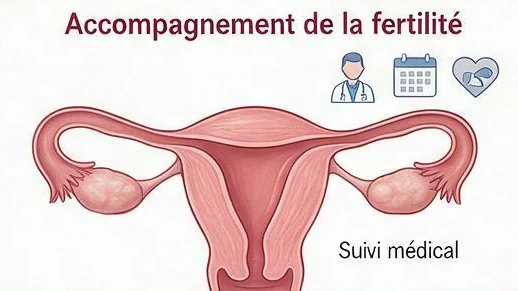
The uterus or an ovary may be preserved in certain operations, depending on the diagnosis, the extent of disease and the patient's safety. Plans for pregnancy should be discussed before a decision. No operation can guarantee fertility or a future pregnancy.
What Questions Should I Ask Before Surgery?
- Could the Operation Affect the Uterus, Ovaries or Fallopian Tubes?
- Is There a Suitable Conservative Option in My Case?
- Is a Fertility Consultation Helpful Before Surgery?
- When Can Plans for Pregnancy Be Discussed After Recovery?
Further reading: frequently asked questions about fertility and IVF .
How Should I Prepare for a Consultation Before Possible Surgery?
Bring imaging, laboratory results, operative reports and a list of medications and allergies. Mention any possibility of pregnancy and your plans for children. Do not stop any treatment or begin fasting on your own initiative: follow the instructions for the planned procedure.
Which Topics Should I Discuss with the Doctor?
- Symptoms, their duration and effect on everyday life.
- Test results and the need for further investigations.
- Expected Benefits, Alternatives and Individual Risks
- Preparation, anesthesia and monitoring after the procedure.
- The location, cost, follow-up and any potential financial coverage arrangements.
Not every patient needs the same investigations: testing is tailored to the situation and the planned procedure.
Are Operations Performed at the Practice?
The address on this page is for consultations. The location of any procedure or operation, anesthesia, team and equipment must be confirmed with the physician according to the intervention. Describing a procedure on the website does not mean it is performed in the office.
Before scheduling a procedure, ask for the name of the facility, admission and discharge arrangements, follow-up organization and a telephone number to use if a problem occurs after surgery.
How Long Does Recovery Take?
Recovery depends on the operation, surgical approach, health and type of work. Some procedures allow same-day discharge; others require hospitalization and longer recovery. Return to work, sport and sexual activity should follow individualized guidance.
What Risks Should Be Discussed Before Surgery?
Depending on the operation, risks may include bleeding, infection, injury to nearby organs, anesthesia complications, thrombosis or the need for an additional procedure. The nature and likelihood of these risks vary and must be explained for your situation.
Why Is Postoperative Follow-Up Important?
Follow-up assesses recovery, reviews any tissue analysis results if a sample was taken and clarifies when activities may resume. Ask for written discharge instructions rather than relying on a recovery time quoted for someone else.
Which Signs After Surgery Require Prompt Medical Assessment?
Heavy bleeding, severe or increasing pain, fever, foul-smelling discharge or a wound problem require prompt medical advice.
Breathing difficulties, chest pain or fainting with loss of consciousness require urgent care without waiting for a website response.
Also follow the instructions of the team that performed your operation. The practice's usual contact channels are not a guaranteed emergency service and do not replace urgent assessment.
How Do I Book a Gynecological Surgery Consultation?
Contact the practice on +216 27 550 875 or on +216 25 333 530 to confirm an appointment.
Dr Ines Ben Hassen Hached's Practice
1st floor, office BA5 bis, Résidence La Coupole,
2 Avenue Hédi Nouira, Ennasr, Ariana 2037, Tunisia.
Opening hours: Monday to Saturday, 9:00 a.m.–6:00 p.m.
Closed on Sundays.
Email: inesbenhassen94@gmail.com
Do not send intimate photographs or a complete medical file unsolicited by email. Ask first how the necessary documents should be transmitted.