
Gynecology and Women’s Aesthetics
Intimate and Body Aesthetic Care in Ennasr
A Medical Approach. Personal Attention. Choices That Reflect You.
Dr Ines Ben Hassen Hached supports women with concerns about intimate comfort and aesthetic care. Every plan begins with a discussion to understand your expectations, respect your individuality and choose appropriate care.
An Approach That Begins With You
Intimate Comfort, Body Shape and Skin
Everyday discomfort, scarring, changes after pregnancy or aesthetic concerns deserve attentive care without judgment or an imposed ideal.
The consultation distinguishes medical treatment, rehabilitation and aesthetic care. It allows you to compare available options, their limitations and their recovery requirements before making a free decision.
Intimate Aesthetic Surgery and Labiaplasty
An intimate concern is more than a question of appearance. The consultation explores your symptoms, experience and expectations, taking account of natural variations in female anatomy.
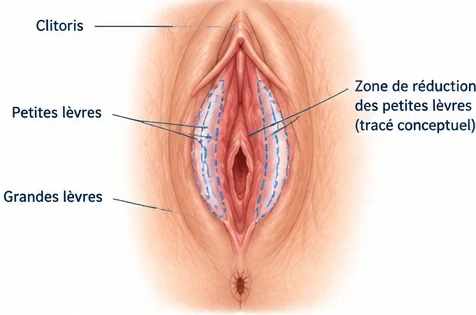
Labia Minora Reduction
Labiaplasty may be discussed for discomfort caused by friction, certain activities or personal aesthetic preferences. Assessment first checks for another cause of irritation or pain.
The proposed correction, limits of symmetry, healing and recovery precautions are explained.
Labia Majora Augmentation
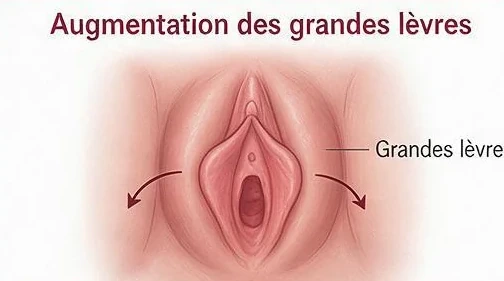
Changes to the volume or contour of the labia majora can be discussed during consultation. The proposed method, expected duration of its effect and practical considerations are explained.
The choice depends on the tissue, your goals and technique-specific risks. It is not an automatic treatment for vaginal dryness.
Clitoral Hood Correction
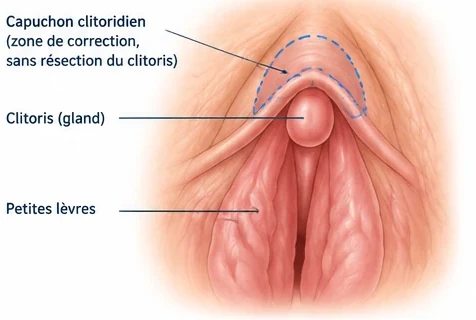
This request requires particular care concerning anatomy and sensitivity. Pain or irritation should be assessed before any correction is considered.
Limitations and possible changes in sensation are discussed without promising improved orgasm.
Perineal and Scar Correction
After childbirth or surgery, a scar may cause discomfort, pain or aesthetic concern. Examination distinguishes the need for tissue repair from associated muscular problems.
Local care, rehabilitation and surgical correction address different indications. Surgery is not automatically necessary.
Hymenoplasty: A Confidential Consultation
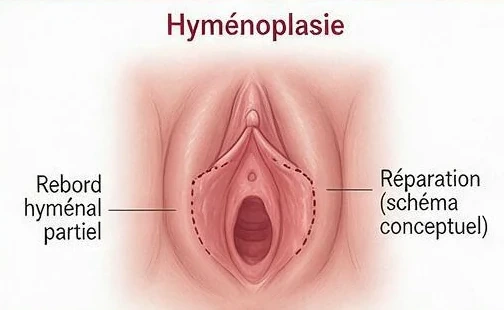
Hymenoplasty refers to reconstruction of hymenal tissue. It requires confidential discussion, a decision free from pressure and review of the applicable legal framework. Later bleeding cannot be guaranteed.
The appearance of the hymen cannot establish sexual history. “Virginity” is not a medical diagnosis and no examination can prove it. Patients must be able to report threats or coercion.
All surgery carries risks, including bleeding, infection, painful scarring, altered sensation and pain during sex. Aesthetic results and improvements in sexual life cannot be guaranteed. The operating facility and follow-up arrangements are confirmed before surgery.
Intimate PRP, Vaginismus and Depigmentation Procedures
Nonsurgical approaches also need a clear medical indication. The choice depends on symptoms, general health and the available evidence.
Intimate PRP
Platelet-rich plasma, prepared from a blood sample, is proposed in some settings with tissue-repair aims.
For intimate applications, claims concerning hydration, regeneration or sensitivity must be approached cautiously. Uncertainty and injection risks are part of the information provided beforehand.
Vaginismus and Penetration Difficulties
Care begins with listening, without a forced examination. Pain, involuntary muscle contraction and anxiety may require rehabilitation and psychosexual support.
Botulinum toxin is not a routine answer. If considered, its status for this indication, limitations and risks are explained.
Peeling and Lightening Intimate Skin
Darker pigmentation may be entirely natural. A recent change or irritation should be examined before treatment. The consultation identifies the external skin area and any product that may be used.
Peeling can cause irritation, burns or unwanted pigmentation changes. Uniform or permanent lightening cannot be promised.
Seeking Comfort Without Imposing an Intimate Ideal.
Intimate CO₂ Laser: Uses and Limitations
Technology cannot replace diagnosis. Dryness, infections, urinary leakage and vulvar lesions are different conditions and do not all call for one protocol.
Vaginal Dryness and Discomfort
Assessment looks for the cause and allows discussion of moisturizers, lubricants or appropriate medical treatments. Laser treatment should not be presented as guaranteed lasting hydration or an automatic first-line response.
Recurrent Intimate Infections
Repeated episodes require confirmation of the diagnosis and contributing factors. Laser treatment does not replace indicated swabs or treatment of an infection. Prevention of recurrence cannot be guaranteed.
Mild to Moderate Urinary Leakage
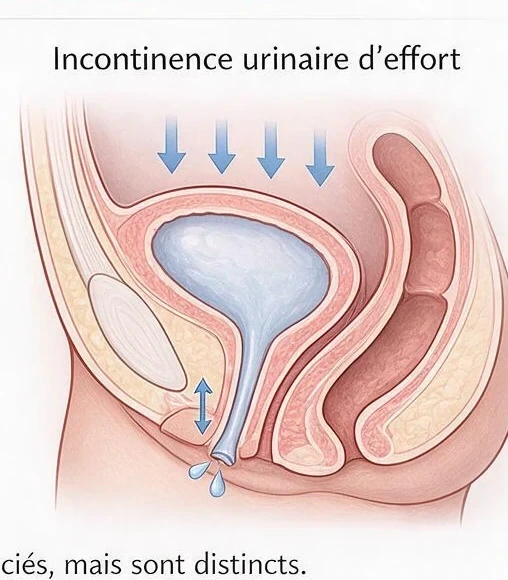
The type of leakage determines care. Rehabilitation and other suitable options should be discussed. Vaginal laser is not automatically a standard treatment for urinary incontinence.
Vaginal Laxity and Tone
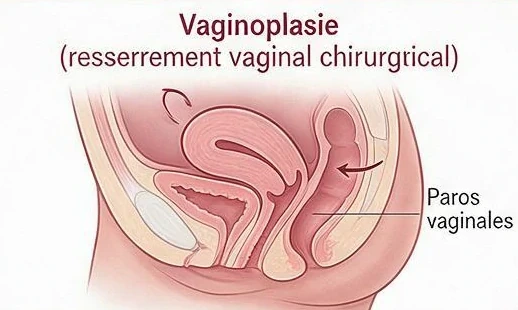
A sensation of laxity may warrant pelvic floor assessment or investigation for prolapse. Promises of tightening should not replace proper evaluation.
Elasticity and “Vaginal Rejuvenation”
“Rejuvenation” is not a diagnosis. Proposed benefits relating to hydration, elasticity or sexual function should not be assumed to be established.
Scars After Childbirth or Surgery
Scar age and condition, and the source of pain, guide the choice of treatment. Laser is not routinely necessary and does not replace surgical repair when indicated.
Condylomas and HPV-Related Lesions
Certain lesions may be suitable for targeted destructive treatment. Removing a visible lesion does not mean HPV has been eliminated. Recurrence is possible, and follow-up remains necessary.
White Patches and Vulvar Disorders
Leukoplakia or tissue changes require diagnosis, sometimes including biopsy. A lesion should not be declared benign or destroyed with a laser solely on its appearance.
Labia Minora Correction Without Surgery
The phrase “nonsurgical labiaplasty” does not guarantee a result comparable to surgical reduction. An ablative procedure still removes tissue and carries a risk of scarring.
Laser Lightening of Intimate Skin
Skin phototype and condition must be assessed. Burns, increased pigmentation or loss of pigment can occur. External skin and mucous membranes require different precautions.
The long-term benefits and safety of “vaginal rejuvenation” procedures remain insufficiently established. Burns, scarring and persistent pain can occur. Alternatives and established treatments should be presented before a decision.
Body Contouring and Muscle Toning SCULPT ELITE
Body-contouring goals depend on your anatomy and expectations. Assessment distinguishes muscle needs, localized fat deposits and skin laxity so they are not all treated as the same problem.
Localized Fat Deposits
A goal of fat reduction must be consistent with the capabilities of the device used. Noninvasive contouring is not a treatment for obesity and cannot guarantee weight loss.
Firmness and Tissue Quality
Muscle tone and skin laxity are assessed separately. Improving one does not automatically correct the other.
Body Proportions
Treatment areas and goals are defined realistically. Individual response and possible maintenance needs are discussed without promises of transformation or specific measurements.
Abdomen, Buttocks and Thighs
Toning depends on approved treatment areas, muscle condition and contraindications. Expected sensations and precautions are explained before sessions.
Muscle Recovery After Pregnancy
The abdominal wall, scars and pelvic floor are assessed before a protocol is considered. SCULPT ELITE does not replace postpartum rehabilitation or assessment of abdominal diastasis or a hernia. Timing respects your recovery.
A Measured Approach to Body Shape That Respects Your Body.
Pelvic Floor Rehabilitation and Urinary Leakage ALURA
Regaining control begins with understanding your symptoms. Muscle weakness, pain and excessive contraction do not require the same approach.
Urinary Leakage
Assessment distinguishes stress incontinence, urgency leakage and mixed forms. The potential role of ALURA is discussed according to diagnosis, previous treatments and other suitable options.
Pelvic Floor Strengthening
Strength is not the only factor: relaxation and coordination are also part of muscle function. A painful or overly tense pelvic floor may need something other than strengthening.
Muscle Tone and Control
Goals concern symptoms and pelvic floor function. Improved muscle control must not be confused with a promise of vaginal narrowing.
Postpartum Rehabilitation
Healing and recovery guide when and how care is undertaken. Medical history, pregnancy and implants must be mentioned before sessions.
Intimate Comfort and Sexual Life
Pain, dryness, fatigue, health and personal experiences can affect sexual life. ALURA cannot guarantee improvements in desire or orgasm. A broader approach may be needed.
Protocols and contraindications are reviewed before use. ALURA does not automatically replace individualized rehabilitation or specialist advice.
Pigmentation, Redness and Scars: Skin Treatments
Skin should be assessed before it is treated. Diagnosis, phototype and lesion type guide the possible role of DPL or Nd:YAG technologies.
Pigmented Spots and Uneven Skin Tone
The cause of a spot must be identified. A suspicious or changing lesion should not simply be removed. Pigmentation can worsen after treatment.
Redness, Rosacea and Small Vessels
The location and cause of redness are assessed. Targeted treatment does not necessarily cure the underlying condition, and recurrence can occur.
Acne and Acne Scars
Active acne and its scars need different approaches. Medical control of acne may take priority. Possible improvement depends on the scar type.
Skin Texture and Radiance
Goals are based on skin condition without promises of rejuvenation. Sun protection and an appropriate routine form part of the discussion.
Facial and Body Hair Removal
Method selection depends on hair color and density, body area and skin phototype. DPL and Nd:YAG are not interchangeable; their indications and settings must be adapted.
Seeking Even Skin Tone and Radiance While Preserving Your Individuality.
Laser Hair Removal for the Face and Body 4D TECLASER
An individualized protocol takes account of your skin, hair growth and treatment area. The aim is durable hair reduction, not a promise that every hair will disappear permanently.
Areas Assessed Individually
Each facial or body area is assessed. Mucous membranes, tattoos, proximity to the eyes and some skin lesions require exclusion or special precautions.
Settings Adjusted to Skin Phototype
Light, medium and dark skin require appropriate technology and settings. Recent tanning, photosensitizing medication or a skin condition may affect scheduling.
White, very light or red hair generally responds less well to pigment-targeting methods.
Gradual Results and Explained Follow-Up
The number and spacing of sessions depend on assessment. Regrowth or maintenance sessions may be necessary. The device model and settings are confirmed before treatment.
Hair removal may cause redness, irritation, burns, pigmentation changes or scarring. Paradoxical increased hair growth is also possible. Eye protection and compliance with instructions are part of treatment.
Your Care Pathway
A Consultation Before Any Protocol
-
Listening
Understand your concerns, possible symptoms, medical history and what you hope to achieve.
-
Assessment
Examine if appropriate and with your agreement, review medical history, then compare options, alternatives and limitations.
-
Shared Decisions
Clarify cost, location, timing, recovery and follow-up without any obligation to undergo a procedure.
Essential Information
Before Your Appointment
How Do You Choose Between Intimate Treatment, Rehabilitation and Surgery?
The choice depends on the cause of discomfort, not simply a preferred technique. Dryness, pain, scarring and urinary leakage should first be assessed. Several approaches may be considered, including no intervention.
What Should You Mention Before Treatment?
Tell the team about medications, allergies, pregnancy or breastfeeding, implants, recent operations and previous treatments. For skin procedures and hair removal, also mention recent sun exposure. Precautions depend on the planned treatment.
Are All Procedures Performed at the Practice?
The practice is the consultation location. Where a procedure takes place, its conditions and possible anesthesia are confirmed separately. A first visit does not mean treatment will happen the same day.
Can Patients Travel from Other Regions of Tunisia?
Yes. The practice welcomes patients from Tunis and other regions by appointment. Before travelling, contact the team to check the documents needed and arrangements for the first consultation.
Sessions and check-ups are scheduled according to treatment needs. They cannot always be combined into one day.
How Are Your Privacy and Consent Respected?
Examinations are explained and require your agreement. You may ask questions, decline a procedure or request it stop. An aesthetic decision must remain personal and free from pressure from others.
When Should You Seek Prompt Care After a Procedure?
Severe or increasing pain, fever, extensive burns, heavy bleeding or difficulty urinating requires prompt assessment. Breathing difficulty or severe faintness requires urgent help.
Routine practice contact channels are not an emergency service. If you live far away, do not wait until you can return to have a problem assessed.
Our Commitment
Your Individuality at the Heart of Every Decision.
Attentive listening, discretion and information without exaggerated promises.
Technology is a tool. Its role depends on your circumstances, appropriateness and available evidence. Care is guided by respect for your health, consent and choices.
The Practice
Your Consultation in Ennasr, Ariana
Dr Ines Ben Hassen Hached welcomes you at the practice for an initial assessment or individualized follow-up.
Located in Ennasr, Ariana Governorate, the practice welcomes patients from Tunis and other regions of Tunisia.
Dr Ines Ben Hassen Hached
First Floor, Office BA5 bisResidence La Coupole
2 Avenue Hédi Nouira, Ennasr
Ariana 2037, Tunisia
+216 27 550 875
+216 25 333 530
Consultations by appointment. Do not send intimate photographs or complete medical records unsolicited by email. Ask about the appropriate communication channel if documents are needed.
Medical Information and References
This page provides general information and does not replace a medical consultation. The references below discuss limitations and risks of certain procedures; they do not validate a particular commercial device. International regulatory positions do not automatically define the legal framework applicable in Tunisia.
Laser Hair Removal in Tunis
For treatment indications, medical precautions and an overview of laser sessions, read our dedicated page.
Explore Laser Hair Removal in Tunis