
When Should You See a Gynecologist?
You may consult for appropriate preventive care and follow-up, menstrual disorders, pelvic pain, unusual discharge, itching or menopausal symptoms, as well as to discuss contraception, fertility or pregnancy planning. You do not need to wait for a serious problem before asking questions.
Can I Consult Without Having Symptoms?
Yes. You can discuss prevention, review contraception, prepare for pregnancy and learn which tests suit your age and history. Having no symptoms does not mean that every laboratory test or scan is necessary.
Where Do Gynecological Consultations Take Place?
Consultations are provided by Dr Ines Ben Hassen Hached in Ennasr, Ariana, Tunis, Tunisia. The practice is located on the first floor, office BA5 bis, Résidence La Coupole, 2 Avenue Hédi Nouira, Ennasr, Ariana 2037.
Confirm your appointment before travelling. You may briefly state the general reason for your visit when booking, without sending intimate photographs or a full medical record.
Which Topics Can Be Discussed at a Consultation?
You can discuss periods, bleeding, pain, discharge, contraception, fertility, sexual health, menopausal symptoms and prevention. The need for examination, tests or imaging depends on the reason and medical history. Not every patient needs every examination.
Can I Discuss Intercourse or Pain During Intercourse?
Yes. You can describe pain, discomfort or concern without assuming it is purely psychological or requires surgery. There may be several causes; assessment and any referral depend on the individual situation.
Further reading: questions about sexual health and questions about fertility and IVF.
Is Gynecological Follow-Up Personalized?
Yes. Follow-up is adapted to age, symptoms, personal and family history, medication, needs and pregnancy plans. The timing of visits and tests depends on the situation and applicable guidance; there is no single schedule for every patient.
Mention any unusual previous result, chronic illness, operation or important family history. This helps avoid unnecessary tests while ensuring useful investigations are not missed.
Does Every Consultation Require an Internal Examination?
No. Some visits consist only of discussion, assessment, counseling or ordering appropriate tests. If an internal examination may be useful, its purpose and steps are explained before consent is requested. You may decline the examination or ask for it to stop and discuss alternatives and their limitations.
How Can I Talk About a Concern or Pain?
Mention anxiety, pain or a difficult previous experience. You can request an explanation before each step and ask whether someone can accompany you during examination. The examination should not continue without your consent.
If ultrasound is suggested, its route and preparation will be discussed. Further information: questions about ultrasound.
How Should I Prepare for the Consultation?
Bring previous reports and laboratory tests, along with a list of medications and allergies. Note the date of your last menstrual period, your symptoms and how long they have lasted. Mention any possible pregnancy, breastfeeding or contraceptive use. There is no need to remove pubic hair or use cleansing products inside the vagina.
Should I Postpone an Appointment During My Period?
Do not automatically cancel. It depends on the reason for the visit and any planned examination or sampling. Contact the practice for advice, particularly if the appointment concerns unusual bleeding. Do not delay urgent assessment because of menstruation.
Do I Need to Fast or Have a Full Bladder?
Such preparation is not necessary for every consultation. If specific laboratory tests or imaging are scheduled, ask for instructions when booking. Do not fast or drink unusually large amounts of water unless instructed.
When Should You Consult for Menstrual Problems or Bleeding?
Heavy or painful periods that disrupt daily life, bleeding between periods or after intercourse, or a persistent change in the cycle deserve assessment. If your period is late and pregnancy is possible, discuss a pregnancy test. Any bleeding after menopause should be assessed, even if light or occurring only once.
Should Very Painful Periods Simply Be Endured?
Pain that interferes with school or work or gets worse over time should not be ignored. Different causes are possible; assessment depends on symptoms and any necessary examination. Pain alone does not establish a specific disease, but it is a reason to seek advice.
Recording the dates, duration and amount of bleeding, together with associated symptoms, can make discussion at the consultation easier.
How Do I Choose Contraception?
The choice takes account of preferences, health, medications, smoking, breastfeeding and pregnancy plans. Effectiveness, advantages and side effects vary by method. Most methods do not protect against sexually transmitted infections; condom use and appropriate screening can be discussed.
Is the Method Suitable for a Friend Necessarily Right for Me?
No. Contraindications and practical requirements differ from person to person. Mention medical conditions, treatments and any side effects from previous contraception.
What Should I Do if I Miss a Dose or Have a Contraception Problem?
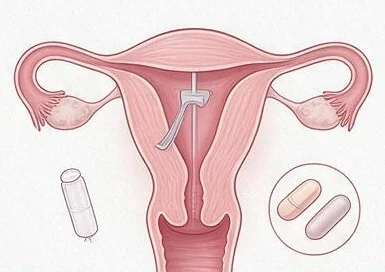
Seek advice promptly: instructions depend on the contraceptive method, when the mistake occurred and the timing of intercourse. Do not follow advice intended for a different method. Some options are time-sensitive and should be discussed without delay.
Do Itching or Discharge Always Mean a Yeast Infection?
No. These symptoms can have several causes that cannot always be distinguished from a description alone. Examination or sampling may be needed. Avoid repeated antibiotics or antifungal treatment on your own initiative, especially if symptoms persist or recur.
Mention unusual odor, pain, burning on urination, bleeding or possible pregnancy. Screening for sexually transmitted infections may be discussed when relevant, without assuming the cause from one symptom alone.
Avoid vaginal douching and perfumed products inside the vagina. Do not use another person's treatment to mask recurring symptoms.
Is Cervical Sampling the Same as an Ultrasound?
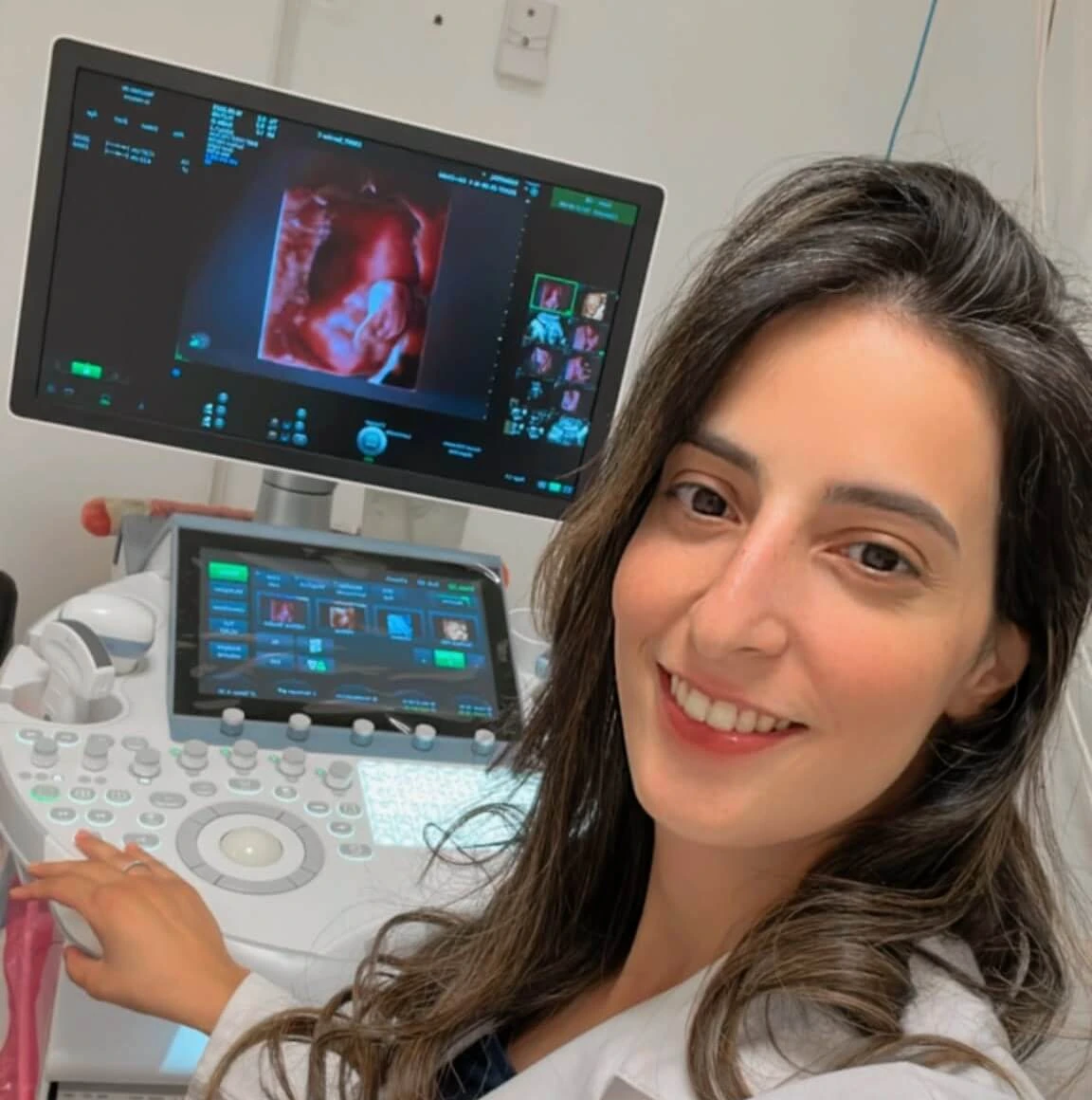
No. Depending on the test, cervical screening looks for cellular changes or human papillomavirus, while ultrasound produces images of pelvic organs. One does not replace the other. Screening schedules depend on age, previous results, risk factors and local recommendations.
Is Cervical Sampling Needed at Every Visit?
Not automatically. Its timing differs from that of general consultations. Previous results may require special follow-up. Bring old reports to determine the appropriate test and timing.
Does HPV Vaccination Replace Cervical Screening?
No. Vaccination does not remove the need for appropriate screening. You can discuss the vaccine's value according to age, recommendations and local availability. Symptoms such as unexplained bleeding should be assessed without waiting for the next screening date.
Does Follow-Up Continue After Menopause?
Yes. You can discuss hot flashes, sleep, dryness, pain during intercourse and general health. Treatment is chosen according to symptoms, history and contraindications. Bleeding after menopause should not be dismissed without assessment.
The same treatment is not right for every patient. Dryness or discomfort does not automatically mean an aesthetic procedure is needed. For further information: questions about intimate comfort and aesthetic gynecology .
Which Signs Should Not Wait for a Routine Appointment?
Seek urgent assessment for severe or sudden pelvic pain, heavy bleeding, significant dizziness or loss of consciousness, or pain with bleeding when pregnancy is possible.
Fever accompanied by pelvic pain, worsening general health or significant symptoms after a medical procedure also requires prompt assessment. If symptoms are severe, do not wait for an email reply or a scheduled appointment.
This list is not exhaustive. The practice's usual contact channels do not constitute a guaranteed emergency service. If you suspect an emergency, contact a facility that can assess you immediately.
How Do I Book a Gynecology Appointment?
Call +216 27 550 875 or +216 25 333 530 to confirm an appointment. The practice is open Monday to Saturday, 9:00 a.m.–6:00 p.m., and closed on Sundays. Ask about the fee and necessary documents, and mention any symptoms requiring prompt assessment to the booking team.
Dr Ines Ben Hassen Hached's Practice
1st floor, office BA5 bis, Résidence La Coupole,
2 Avenue Hédi Nouira, Ennasr,
Ariana 2037, Tunisia.
Email: inesbenhassen94@gmail.com
Do not send intimate photographs or a complete medical file unsolicited by email. Ask first how the necessary documents should be transmitted.