
Breast Health and Screening
Breast Health Consultation in Ennasr
Understand What Concerns You. Clarify the Next Step.
Breast pain, a lump, a nipple change or questions about screening: Dr Ines Ben Hassen Hached welcomes you to assess the situation, explain useful examinations and arrange referral when needed.
Reassurance comes from clear information, not premature conclusions. Listening, examination with your consent and follow-up of results help guide your care.
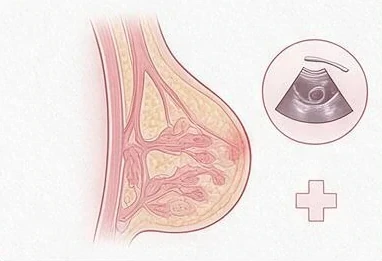
Assessment Before Conclusions
Not Every Change Is Cancer. Every New Change Deserves Attention.
Some symptoms are related to the menstrual cycle, a cyst or another benign condition. Their cause cannot be determined from pain or the feel of a lump alone. Assessment combines medical history, examination and, when indicated, imaging or tissue sampling.
A consultation about a new symptom differs from routine screening in a woman without symptoms. This distinction guides which tests are needed and when.
Breast Pain, a Lump or Nipple Discharge: When to Seek Advice
Describing when a change appeared, whether it is related to the menstrual cycle or breastfeeding and how it has evolved helps guide assessment. A new symptom should not wait until the next screening appointment.
Breast Pain
Pain may be associated with hormonal fluctuations or a benign condition. The consultation reviews its duration, location, relation to the menstrual cycle, medications and other changes.
Persistent or localized pain deserves assessment. Pain alone does not prove cancer, and the absence of pain cannot exclude it.
A Lump in the Breast or Underarm
Any new lump should be evaluated, even if painless or movable. Examination may lead to appropriate imaging or a biopsy depending on findings.
Touch alone cannot identify the nature of a mass. Conclusions depend on consistency between examination, imaging and, when necessary, tissue analysis.
Nipple Discharge
Assessment clarifies whether discharge occurs spontaneously or with pressure, affects one or both breasts, its color and whether blood is present. Breastfeeding and medications are also considered.
New discharge, particularly spontaneous or bloody discharge from one side, warrants consultation without delay. Color alone cannot establish a diagnosis.
Breast Cancer Screening and Surveillance
Screening is discussed according to age, personal history and level of risk. The same programme is not appropriate for every woman.
When symptoms are present, diagnostic assessment is needed even after a recent reassuring screening result. Breast awareness does not replace recommended tests.
Family History and Inherited Risk
Tell the doctor about breast or ovarian cancer on either the maternal or paternal side of the family, including ages at diagnosis if known. Some family histories warrant genetic counselling.
A family history does not automatically mean a genetic mutation is present. Genetic testing is not routine for everyone. Risk assessment may change the monitoring programme.
Clear Answers Without Alarmism or False Reassurance.
Breast Assessment: Ultrasound, Mammography, MRI and Biopsy
Each examination answers a different question. A thorough assessment is not about using every technique, but choosing those that clarify the diagnosis and interpreting results together.
Breast Health Consultation
The doctor reviews symptoms, personal and family history, treatments and previous investigations. Clinical examination is explained and performed with your agreement.
When additional expertise is needed, appropriate referral is discussed without delaying diagnostic assessment until the next screening appointment.
Breast and Axillary Ultrasound
Ultrasound can assess a palpable area, clarify an imaging finding and examine certain lymph nodes under the arm. Its role depends on the clinical question.
It cannot replace mammography in every situation or rule out all lesions by itself. The location and professional performing the examination are confirmed when it is arranged.
Review of Mammograms and MRI Scans
Available reports and images are considered alongside clinical findings. Radiology review or additional imaging may be requested if questions remain.
MRI is not routinely required. Discussing results during a consultation does not replace the radiologist’s diagnostic interpretation.
Aspiration and Image-Guided Biopsy
Fluid or cell aspiration, or a tissue biopsy, may be recommended depending on the lesion and the information needed. These samples do not all provide the same type of information.
When necessary, sampling is arranged at an appropriate facility. Imaging guidance, possible local anaesthesia, risks and how results will be provided are explained. Being referred for a biopsy does not mean cancer has been confirmed.
If a report recommends biopsy or follow-up imaging, do not simply wait for symptoms to disappear. If imaging does not match the clinical examination, further assessment may be needed.
Breast Surgery: Cysts, Fibroadenomas and High-Risk Lesions
A mass does not always require surgery. Diagnosis, symptoms, changes over time and agreement between imaging and biopsy findings guide the decision.
Cysts and Fibroadenomas
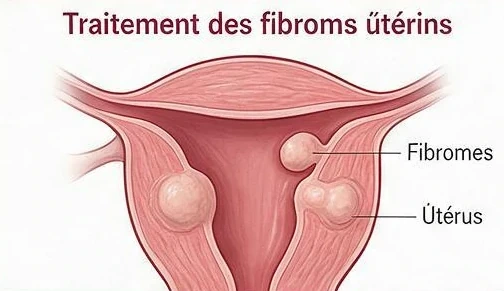
Some benign lesions can be monitored. Others may warrant a procedure because of symptoms, progression or a diagnosis that needs clarification. Management of a cyst is different from management of a solid mass.
Excision is not recommended solely because a lesion exists. Expected benefits, scars, possible changes in breast shape and examination of removed tissue are discussed.
Lesions Requiring Additional Assessment
Some biopsies reveal a higher-risk lesion or an abnormality that requires more complete sampling. These results do not automatically mean cancer.
Results are reviewed alongside imaging and appropriate specialist advice. Depending on the case, monitoring, further sampling or removal may be discussed.
Before any operation, the indication, appropriate surgeon, operating facility, anaesthesia and follow-up are clarified. Describing these options does not mean that every breast operation is performed at the practice.
Breast Cancer: Multidisciplinary Care
Treatment does not depend on the diagnosis name alone. Tumour type, stage, biological characteristics and overall health guide which treatments are chosen and in what order.
Assessment Before Treatment
Biopsy results, imaging and any necessary investigations are brought together to inform decisions. A multidisciplinary team may discuss the case.
The purpose of each investigation is explained. Not every patient needs exactly the same tests.
Specialist Breast Cancer Surgery
Breast-conserving surgery or mastectomy may be appropriate depending on disease extent, medical options and the patient’s preferences. Assessment of lymph nodes may also be needed.
The specialist surgeon explains the operation, alternatives and possible effects on breast shape and sensation. Reconstruction is discussed when appropriate.
Chemotherapy, Radiotherapy and Hormonal Therapy
Care may combine systemic treatments, radiation or hormonal therapy depending on tumour characteristics. Not every patient requires the same treatment.
Some treatments are given before or after surgery. The oncology team decides the sequence and may discuss targeted therapies when indicated.
Before, During and After Treatment
Support includes understanding treatment, managing symptoms and side effects, recovery and the psychological and body-image dimensions of care.
Appropriate surveillance is arranged after treatment. Report new symptoms without waiting for the next check. Fertility and sexual health may also be discussed according to age and treatment.
Clear Information and a Voice in Every Decision.
Breast Reconstruction and Aesthetic Surgery
A request following cancer treatment differs from a wish to change breast volume or shape. The discussion begins with your expectations, medical assessment and an appropriate surgeon’s opinion when needed.
Breast Reconstruction After Cancer
Reconstruction may use an implant, your own tissue or a combination of techniques. It can be immediate or delayed depending on cancer treatment and your situation.
Reconstruction is a choice, not a requirement for personal recovery. No reconstruction or an external prosthesis can also be considered.
Breast Fat Transfer (Lipofilling)
Fat transfer uses tissue taken from another area of the body to adjust volume, contour or differences after reconstruction. The surgeon assesses suitability.
Using the patient’s own fat does not make the procedure risk-free. Some fat may be reabsorbed, changes can require assessment and several sessions may be helpful.
Breast Augmentation with Implants
Implant selection, size, position and incision require specialist assessment. Possible effects on sensation and future monitoring are discussed.
Implants are not lifetime devices. Further surgery may be needed. Rupture, capsular contracture and infection are among the risks, along with rare complications to be explained according to implant type.
Breast Lift (Mastopexy)
A breast lift aims to change breast position and the surrounding skin. It does not necessarily increase volume. Scarring and the limitations of the result are explained.
Future pregnancy or weight changes may affect shape. The result cannot be guaranteed to remain unchanged or perfectly symmetrical.
Breast Reduction
Reduction may be discussed when breast size causes discomfort or in response to personal preferences. Assessment weighs potential benefits against scarring and risks.
Possible changes in sensation, effects on future breastfeeding and recovery arrangements are included in the information provided beforehand.
Correction of Asymmetry and Scars
Differences may be natural or result from surgery or cancer treatment. Options depend on available tissue, medical history and your goals.
Correction may improve balance without making both breasts identical. A scar may sometimes be improved but not always removed.
Reconstruction and aesthetic surgery require assessment by an appropriately qualified surgeon. The medical team, operating location, anaesthesia, cost and follow-up are defined beforehand. Following cancer, any plan must remain compatible with treatment and surveillance priorities.
Supporting Comfort and Confidence Without Imposing a Body Shape or Choice.
How to Prepare for a Breast Consultation
-
Describe the Change
Note when it appeared, which side is affected, how it changed and any relation to the menstrual cycle, pregnancy or breastfeeding. Do not postpone a useful consultation to wait for a particular day of the cycle.
-
Bring Your Images and Reports
Bring any previous mammograms, ultrasounds and MRI scans with their images and reports, along with biopsy or surgical results. Comparison helps assess changes over time.
-
Explain Your Medical History
Mention medications, allergies, family history, implants and previous operations. These details guide the next steps.
Essential Information
Your Questions About Breast Health and Screening
Does a Breast Lump Always Mean Cancer?
No. Many changes are benign, but a new mass cannot be identified from its description or texture alone. Examination, imaging and sometimes biopsy help clarify its nature.
Can Ultrasound Replace Mammography?
Not in every situation. The two techniques provide different information and may complement each other. Choice depends on age, symptoms, risk and previous findings.
Does a Requested Biopsy Mean Cancer Is Confirmed?
No. Biopsy helps identify the nature of tissue when examination and images are not sufficient. The sample is examined by a pathologist, and the result interpreted alongside the rest of the medical record.
At What Age Should Screening Start?
Screening recommendations depend on age, personal and family history, and individual risk. Some women require specialized monitoring.
If symptoms are present, do not wait until you reach a screening age or until the next scheduled mammogram.
Do All Examinations and Operations Take Place at the Practice?
The practice provides consultation and assessment. Imaging, sampling and operations are arranged at appropriate facilities according to clinical needs. Describing the care pathway does not mean every step happens at the same location.
Is Reconstruction Mandatory After Mastectomy?
No. The choice is yours and should be discussed with your care team. Immediate or delayed reconstruction may be appropriate, but choosing no reconstruction is equally valid. Your femininity does not depend on that decision.
Which Changes Should Not Wait?
A new lump, spontaneous or bloody discharge, recent nipple inversion, visible skin or contour change, or underarm swelling warrants assessment without delay.
Painful redness with fever, rapidly developing swelling or worsening general health requires prompt medical advice. If symptoms are severe, seek care at an appropriate facility without waiting. The practice’s routine contact channels are not an emergency service.
Can Patients Travel from Other Parts of Tunisia?
The practice welcomes patients from Tunis and other regions. Before travelling, mention symptoms and available tests to help prepare the consultation.
Travel must not delay urgent assessment near home. Some investigations may require separate appointments.
Our Commitment
Your Health First. Respect for Your Privacy at Every Step.
Attentive listening, understandable information and appropriate referrals.
We help you understand your situation and arrange the next steps without alarmism or promises of results. Respect for your choices and experiences remains central.
The Practice
Your Breast Health Consultation in Ennasr, Ariana
Dr Ines Ben Hassen Hached sees patients to assess symptoms, discuss investigations or organize referral and follow-up. When booking, mention the concern and any urgent recommendation in a medical report.
The practice is in Ennasr, Ariana Governorate, and welcomes patients from Tunis and throughout Tunisia.
Dr Ines Ben Hassen Hached
First Floor, Office BA5 bisResidence La Coupole
2 Avenue Hédi Nouira, Ennasr
Ariana 2037, Tunisia
+216 27 550 875
+216 25 333 530
Consultations are by appointment. Ask about fees and useful documents before travelling. Do not send intimate photographs or complete medical records without first asking about an appropriate secure channel.
Medical Information and References
This page provides general information and does not replace a consultation or specialist medical advice. The references explain medical principles but do not establish the availability of any procedure at the practice. Arrangements for investigations and care depend on each situation.
- National Cancer Institute — Breast Symptoms and Changes (in English)
- National Cancer Institute — Benign and Some High-Risk Breast Conditions (in English)
- Mayo Clinic — Breast Biopsy and Indications (in English)
- National Cancer Institute — Breast Cancer Treatment (in English)
- National Cancer Institute — Reconstruction After Mastectomy (in English)
- American Cancer Society — Reconstruction Options (in English)
- FDA — Breast Implants and Safety (in English)
- NHS — Breast lumps