
Fertility and pregnancy plans
Infertility assessment and IVF in Ennasr
Understand your circumstances. Plan the next steps together.
When pregnancy takes longer than expected, questions can multiply. Dr Ines Ben Hassen Hached welcomes you in Ennasr, Ariana, to review your fertility, explain test results and discuss the options that suit your plans.
From the first assessment to assisted reproduction support, each step considers your history, your health and your choices.
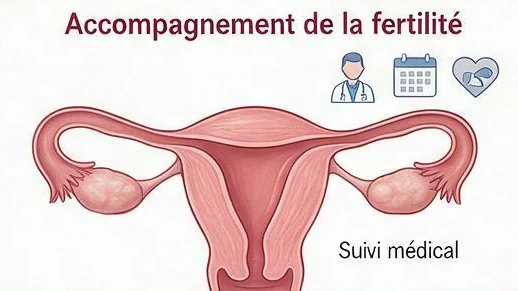
Your story comes before any protocol
Your hopes for pregnancy are more than a test result.
The time spent trying to conceive, hard-to-understand cycles, a pregnancy loss or previous treatment all deserve consideration together. The consultation helps prioritize the questions and avoid repeated tests without a clear purpose.
An assessment does not necessarily lead to IVF. Depending on the circumstances, the next step may involve preconception advice, treatment for ovulation, a targeted investigation or an assisted reproduction pathway.
The role of the obstetrician-gynecologist in fertility care
An obstetrician-gynecologist assesses female fertility, investigates gynecological factors that may make conception difficult and provides medical preparation before pregnancy.
Depending on your medical circumstances and indications, care may include:
Gynecological fertility consultation
Reviewing medical history, menstrual cycles, previous pregnancies and difficulties conceiving helps direct the assessment.
Gynecological ultrasound
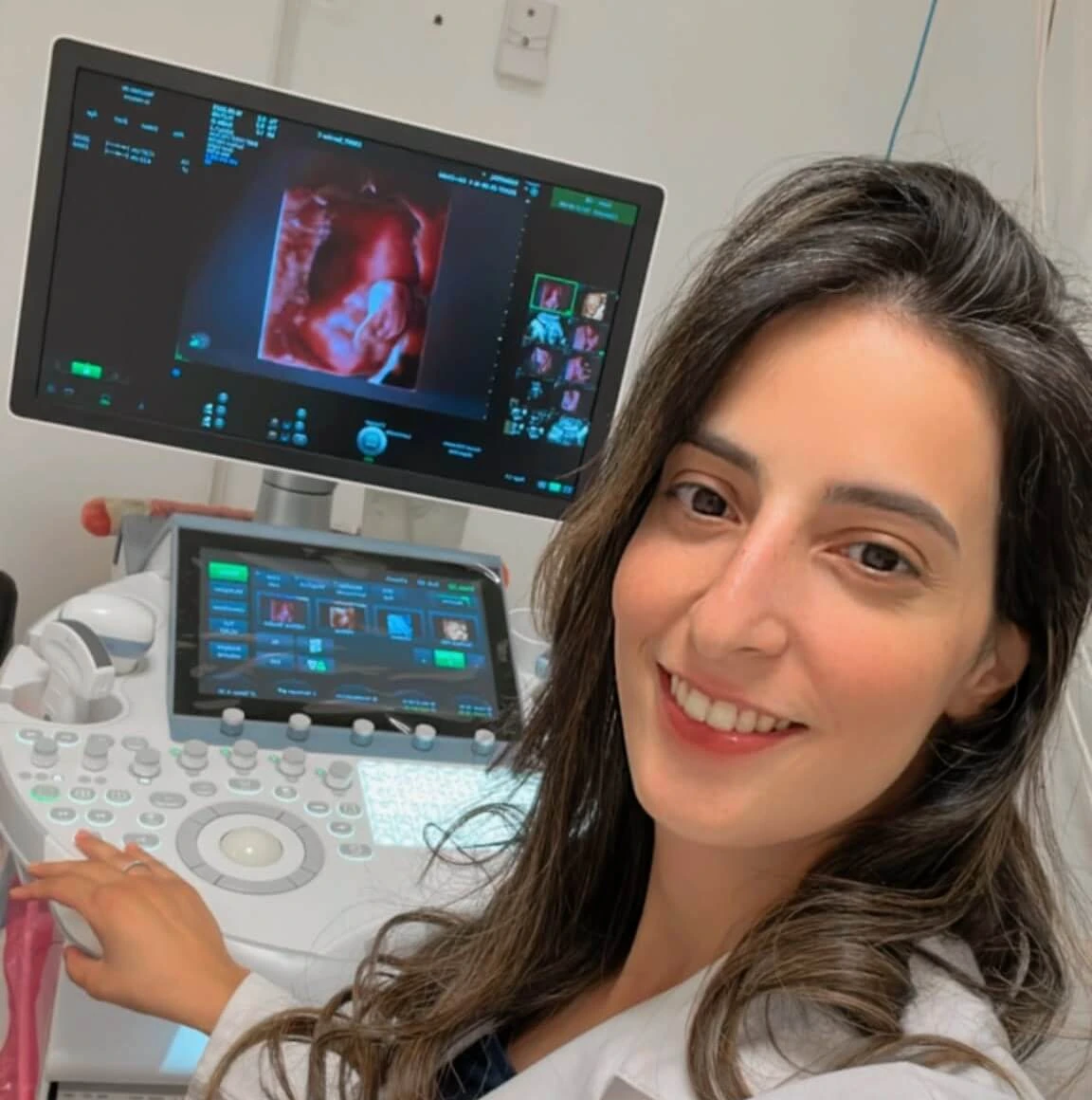
Ultrasound examines the uterus and ovaries and can identify some abnormalities. It does not replace a specific test of fallopian tube patency when that is indicated.
Assessment of ovulation disorders
This may be appropriate with irregular cycles, polycystic ovary syndrome or suspected hormonal conditions.
Investigation of gynecological conditions
Depending on symptoms and medical history, assessment may look for endometriosis, uterine fibroids or other findings that could affect fertility.
Additional tests
The doctor requests and interprets tests indicated to clarify potential causes of difficulty conceiving. Both partners are considered; the assessment does not focus exclusively on the woman.
Treatment and preparation for pregnancy
Identified conditions may be treated when appropriate within the clinician’s scope of practice. Preconception health advice is tailored to your circumstances.
Referral and care coordination
When more advanced investigations or assisted reproductive techniques are needed, referral for specialized care is arranged according to the needs identified. The providers, locations and division of follow-up responsibilities are explained separately.
The gynecologist’s role is to conduct the initial medical assessment, identify gynecological factors that could affect fertility, suggest appropriate care and coordinate referrals to other specialists when needed. Not every pathway leads to IVF.
Difficulty getting pregnant: when should you seek fertility advice?
The same waiting period is not appropriate for everyone. Age, cycle regularity, medical history and known risk factors determine when to start an assessment.
Pregnancy is taking longer than expected
Without known risk factors, an assessment is generally considered after 12 months of regular unprotected intercourse below age 35, and after six months from age 35.
Earlier advice may be appropriate, particularly over age 40, with highly irregular cycles or a history that may affect fertility.
Irregular periods or absent ovulation
Widely spaced or unpredictable cycles or absent periods may justify assessment without waiting a year. The goal is to find out whether ovulation is occurring and what might affect it.
Care depends on the cause. A period tracking application is not sufficient to make a diagnosis.
Polycystic ovary syndrome (PCOS)
PCOS can involve irregular ovulation and difficulty conceiving. Assessment considers symptoms, appropriate investigations and metabolic health.
An isolated ovarian image does not establish the diagnosis. PCOS does not mean pregnancy is impossible or that IVF is automatically needed.
Endometriosis and pregnancy plans
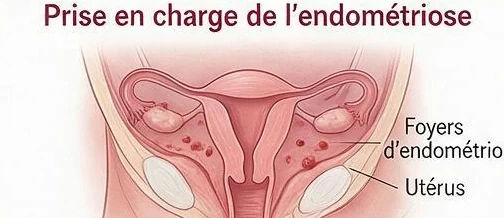
Pain, surgical history, ovarian health and other assessment findings guide decisions. Care is not based on the endometriosis diagnosis alone.
Surgery is not automatic. The roles of surgery and assisted conception are discussed with their possible benefits and limitations.
Recurrent pregnancy loss
Repeated pregnancy losses deserve an appointment dedicated to both emotional experience and medical evaluation. Investigations are guided by the pregnancy history and any relevant prior conditions.
A cause is not always identified. A lack of immediate explanation does not justify automatically ordering additional tests or treatments.
Fertility preservation
Medical treatment, a condition or personal circumstances may raise questions about future fertility. The consultation discusses possible options and timing.
If treatment that may affect fertility is planned, ask promptly about coordination with the treating team, ideally before treatment starts whenever possible.
Give your pathway direction without becoming trapped in a protocol.
Fertility assessment for both partners: hormones, ovulation, uterus and semen analysis
A complete assessment is one that is relevant, not the same list of tests for everyone. It considers both female and male factors, prioritizing investigations that will inform decisions.
Hormone testing and menstrual cycle assessment
Your history clarifies period regularity, symptoms and treatment. Hormone tests may be proposed to answer specific clinical questions.
Test timing depends on the hormone. Not every patient needs every test, and results must be interpreted together.
Ovarian reserve: AMH and ultrasound
AMH levels and the antral follicle count on ultrasound may help assess ovarian reserve and anticipate the response to stimulation.
They do not directly measure egg quality and cannot independently predict a natural pregnancy. A low AMH does not mean conception is impossible. Age remains important in interpretation.
Assessment of the uterus and fallopian tubes
Ultrasound assesses aspects of the uterus, endometrium and ovaries. Additional tests may be appropriate to assess the uterine cavity or whether the fallopian tubes are open.
A standard pelvic ultrasound cannot confirm tubal patency by itself. The choice of investigation and necessary precautions are explained for your situation.
Partner assessment and evaluation of both partners
The assessment is not limited to the woman. The partner’s medical history and semen testing, particularly semen analysis, are part of a fertility workup.
A result may require confirmation or specialist review. Findings affecting both partners are considered together to build a coherent plan.
When routine investigations reveal no explanation, this may be called unexplained infertility. It does not mean the difficulty is imaginary or that one treatment is appropriate for every couple.
Assisted reproduction: ovulation stimulation, insemination and IVF
Medically assisted reproduction includes different methods. The choice depends on investigations, age, previous treatment and a plan agreed with the medical team.
Ovulation stimulation
Medication may be offered to promote ovulation or support a conception strategy. The protocol is adapted to the indication and ovarian response.
Do not self-medicate. Monitoring may be needed to reduce risks, including multiple pregnancy and ovarian hyperstimulation.
Intrauterine insemination (IUI)
Insemination involves placing prepared sperm inside the uterus at a time matched to ovulation. Its suitability depends in part on semen analysis and assessment of the fallopian tubes.
It is not appropriate for every situation. Procedures, monitoring and alternatives are discussed before the cycle.
In vitro fertilization (IVF)
IVF brings eggs and sperm together in a laboratory after egg collection. If embryos develop, transfer may be considered depending on the chosen strategy.
The process has several stages and can change with treatment response. It does not guarantee an embryo, pregnancy or live birth.
ICSI: intracytoplasmic sperm injection
ICSI is a fertilization technique used in selected circumstances, particularly depending on sperm findings. An embryology specialist injects one sperm into an egg.
It is not automatically better than conventional IVF. Its indication is explained with reference to the history and previous results.
Freezing eggs, sperm and embryos
Storage may be discussed during assisted reproduction or to preserve fertility, depending on the indication and the legal framework in Tunisia. Available options depend on the material stored and the medical context.
Consent, storage facility, conditions for use, permitted duration and charges must be explained by the organization responsible. Storage does not guarantee a future pregnancy.
Consultations at the practice must not be confused with the technical procedures undertaken at an assisted reproduction center. The locations for insemination, egg retrieval, laboratory procedures, transfers and storage are confirmed separately. The team and allocation of follow-up responsibilities are explained before treatment.
Choose an option for its suitability, not simply because it is new.
The stages of IVF: from preparation to pregnancy test
IVF is more than embryo transfer. It combines consultations, monitoring and procedures in a medical reproduction facility. The schedule depends on the protocol and your response; the steps below are a general guide, not a personal treatment schedule.
-
Prepare the attempt with your team
The records of both partners, available test results and previous treatments are reviewed before the protocol is chosen. Ask who prescribes medication, where monitoring and procedures take place and whom to contact during treatment. Prescriptions and consent are explained before starting.
-
Stimulate the ovaries and monitor their response
During a stimulated cycle, medication encourages several follicles to develop. Ultrasound and, depending on the protocol, blood tests monitor response. The team may adjust doses and timing. Do not change injections on your own.
-
Arrange egg collection and semen sampling
Egg retrieval takes place in an appropriate facility, with pain management and sedation or anesthesia according to the agreed arrangements. The team explains preparation, discharge and any accompaniment requirements. Semen collection or use of a stored sample is coordinated with the laboratory.
-
Fertilization in the laboratory
With conventional IVF, eggs and sperm are placed together. In ICSI, a sperm is injected into an egg. The chosen approach follows assessment of your records; ICSI is not an obligatory extra stage for every cycle.
-
Monitor embryo development
The laboratory observes fertilization and embryo development. Not every egg retrieved develops into an embryo suitable for transfer. Ask when results will be communicated and how they affect subsequent steps.
-
Decide on embryo transfer and possible storage
Transfer depends on laboratory results and clinical circumstances. It may take place in the planned cycle or be postponed. The number of embryos transferred, the risk of multiple pregnancy and possible storage arrangements are discussed with the center under the applicable Tunisian framework.
-
Follow instructions until the pregnancy test
The team specifies which medications to continue, the test date and how results are communicated. Testing too early can be misleading. Symptoms alone cannot confirm success or failure; do not alter prescriptions without guidance.
The time for initial assessment, duration of treatment and wait until a possible transfer are different. When planning travel, request an estimated schedule distinguishing stages that require your presence from those with dates that may change.
General medical references: HFEA — IVF process, risks and limitations . This UK reference does not establish the legal or financial conditions in Tunisia.
IVF costs in Tunisia: what should you ask about an estimate?
This page does not quote a package price: a figure cannot be interpreted without knowing which services it includes. Before committing, request a written estimate, billing currency and arrangements if treatment is modified or stopped.
| Item | Questions to ask |
|---|---|
| Consultations and investigations | Which appointments and tests are planned? Who bills for them and what is included? |
| Medication | Is medication included or purchased separately? How would a protocol adjustment affect the estimate? |
| Monitoring | Are ultrasound and blood tests included? Where will they take place? |
| Retrieval and anesthesia | Are the facility charges, medical fees and anesthesia itemized? |
| Laboratory and transfer | Which technique is planned? What laboratory services and embryo transfer are included? |
| Storage and later transfer | If storage is considered, what initial and continuing fees apply? Is a later transfer billed separately? |
| Travel and follow-up | What separate travel, accommodation, monitoring or consultation expenses should be anticipated? |
PCOS, endometriosis and unsuccessful IVF: reviewing each situation
A known diagnosis or treatment without pregnancy should not lead to repeating the same approach automatically. Reviewing the records helps determine what may need to change.
Ovulation disorders
The strategy considers the cause, other fertility factors and earlier responses. The goal is not simply to induce ovulation but to offer coherent, monitored care.
Endometriosis and PCOS
These conditions have different mechanisms and may present very differently. Symptoms, ovarian reserve, medical history and pregnancy plans are considered together.
After IVF without pregnancy
The review examines the stages reached: stimulation, eggs collected, fertilization, embryo development and any transfer. A single result cannot explain the entire pathway.
Additional proposals should have a sound basis. An extra test or treatment is not necessarily effective simply because it is described as innovative.
Fertility preservation
The discussion considers the reason for preservation, time available, realistic prospects and practical constraints. Medical circumstances may require prompt coordination with the treating team.
Freezing cannot preserve every aspect of fertility. Future possibilities depend on factors including age at collection and later stages of treatment.
Review without overtreatment, explain without overpromising.
Prepare for pregnancy and receive ongoing support
Fertility care is part of your life. Advice should be practical, personalized and free of blame.
Natural fertility and understanding your cycle
Consultation can address ovulation, the fertile window and intercourse frequency without making trying to conceive a constant burden.
Irregular cycles can make estimates less reliable. Tracking or advice does not replace medical investigation when indicated.
Personalized follow-up and preconception consultation
Chronic illnesses, medication, vaccinations and prevention needs are reviewed in light of your circumstances. Useful supplements, including folate, are discussed with appropriate prescribing.
Do not change long-term medication on your own because you want to conceive. Any adjustment should be coordinated with the relevant professionals.
Nutrition and lifestyle
Diet, physical activity, tobacco, alcohol and general health can be discussed with both partners. Goals should remain realistic and tailored to the medical situation.
No food, supplement or “detox” plan guarantees pregnancy. Lifestyle changes should not delay necessary care.
Emotional well-being and support
You can discuss waiting, fatigue, disappointment or needing a break. Psychological or other support may be offered according to your needs.
Difficulty conceiving should not be blamed on a lack of willpower or “thinking about it too much”. You remain an active participant in decisions and the pace of care.
How to prepare for a fertility consultation
-
Gather your history
Note how long you have been trying, cycle regularity, previous pregnancies, procedures and current medication. Your partner’s medical history is useful too.
-
Bring previous results
Hormone tests, ultrasound images, semen analyses, tubal investigations and assisted reproduction reports help clarify what has already been assessed. Bring the documents you have.
-
Agree on next steps
The consultation establishes which further investigations are necessary, timing, possible options and any coordination needed.
When booking, ask which documents to bring. You do not need to arrange new tests on your own or email your entire medical file without being asked. Ask the practice about an appropriate secure channel for sharing records.
Essential guidance
Your questions about infertility and IVF
Is IVF always necessary?
No. Treatment depends on the cause, age, time trying to conceive and investigations for both partners. Ovulation treatment, insemination or another strategy may be more suitable.
Does low AMH mean I cannot get pregnant?
No. AMH contributes to assessment of ovarian reserve and expected response to stimulation. Alone, it cannot establish that a natural pregnancy is impossible. It must be interpreted with age and other clinical information.
Should both partners be investigated?
Yes. Evaluation includes female and male factors. Investigating only the woman may miss an important contributing factor. Tests are coordinated according to circumstances.
Can my chance of success be estimated before IVF?
An estimate may be discussed using your circumstances and relevant data from the center performing treatment. It is not an individual guarantee.
Rates per transfer, per cycle started and live birth rates measure different outcomes. Figures should identify the patient population, period and calculation method. This page does not claim success rates for the practice.
Where are assisted reproduction procedures carried out?
The office is the setting for consultations and follow-up. Procedures requiring an embryology laboratory or specialist technical facilities take place in an appropriate center.
The center, medical providers, arrangements and applicable Tunisian framework are confirmed before treatment begins.
Can I attend from another part of Tunisia?
The practice welcomes patients by appointment from Tunis and elsewhere in Tunisia. Before traveling, explain any previous investigations or current treatments.
Some tests and stimulation monitoring depend on the cycle. The timetable must reflect medical needs; appointments cannot always be grouped into a single day.
When should I seek prompt help during treatment?
During or after stimulation, substantial abdominal pain, marked bloating, persistent vomiting, reduced urine output or trouble breathing need prompt medical advice. These can sometimes indicate ovarian hyperstimulation.
Follow your medical team’s instructions. Severe pain, faintness, breathlessness or heavy bleeding require urgent assessment. The practice’s usual contact numbers are not an emergency service.
Our commitment
Your hopes deserve listening, not promises.
Compassionate care, clear information and a genuine role in decisions.
Reproductive medicine offers several options, with benefits, burdens and uncertainties. Our aim is to help you understand these and build a plan appropriate for you, without guaranteeing pregnancy.
The practice
Your fertility consultation in Ennasr, Ariana
Dr Ines Ben Hassen Hached welcomes you for an initial assessment, review of test results or reassessment of your pathway. When booking, explain the reason for your visit and any treatment currently underway.
Located in Ennasr, Ariana Governorate, the practice sees patients from Tunis and other regions of Tunisia.
Dr Ines Ben Hassen Hached
Obstetrician-gynecologist
First floor, office BA5 bisRésidence La Coupole
2 Avenue Hédi Nouira, Ennasr
Ariana 2037, Tunisia
Office hours
Monday to Saturday: from
to .
Closed on Sundays.
By appointment only. Contact the practice to confirm your slot and hours on public holidays.
Telephone:
+216 27 550 875
+216 25 333 530
Email:
inesbenhassen94@gmail.com
Ask about fees and documents before coming. Do not send a complete medical file without confirming an appropriate channel. The practice’s contact numbers are not an emergency service.
Medical information and references
This page provides general information and does not replace an individual medical consultation. International guidelines explain medical principles; they do not define access conditions, licensing, storage arrangements or the legal framework for assisted reproduction in Tunisia.
- ASRM — Infertility evaluation: ovulation, ovarian reserve and couple assessment (English)
- ESHRE — Recurrent pregnancy loss (English)
- ESHRE — Reproductive medicine guidelines (English)
- HFEA — IVF stages, outcomes and risks (English)
- HFEA — Egg freezing: options and limitations (English)
- ESHRE — Unexplained Infertility Guideline