
Childhood, Puberty and Adolescence
Pediatric and Adolescent Gynecology in Ennasr
Understand Her Body. Ask Questions. Be Heard at Her Age.
Questions about puberty, difficult periods, irritation or a first question about contraception: Dr Ines Ben Hassen Hached welcomes children and adolescents for assessment appropriate to their development and needs.
The consultation prioritizes accessible explanations, privacy and the young patient’s own voice. Parental involvement is arranged according to age, circumstances and applicable requirements.

Guidance as She Grows
A First Appointment Does Not Necessarily Begin with an Examination.
Pediatric and adolescent gynecology is not simply an adult consultation for younger patients. Discussion, symptoms and developmental stage guide what may be helpful.
A visit may explain puberty, discuss periods or answer questions. An internal examination is not routine. If an examination is necessary, its purpose and steps are explained in understandable language.
Early Puberty, Delayed Puberty and Hormonal Changes
Development does not follow exactly the same timetable for everyone. Assessment helps distinguish normal variation from situations needing investigations or specialist input.
Changes That Begin Earlier Than Expected
Early physical changes or very rapid development may warrant consultation. The timing, growth pattern and other signs are considered together.
Depending on the findings, coordination with a pediatrician or pediatric endocrinologist may be proposed. One sign alone cannot determine the cause.
Delayed Development or Late First Periods
Lack of pubertal progression or absence of a first period deserves assessment according to age, milestones already reached and family history.
The evaluation also considers general health, nutrition, physical activity and possible chronic illnesses. Tests are selected according to the situation.
Acne and Endocrine Concerns
Acne is common in adolescence. If severe or accompanied by persistently irregular cycles or other hormonal signs, assessment may be discussed.
PCOS cannot be diagnosed from acne or an ovarian ultrasound image alone. Diagnostic criteria in adolescence differ from those in adults, and specialist advice may be useful.
Understanding Puberty and the Menstrual Cycle
Breast development, body hair, normal discharge, first periods and changing cycles may raise questions. Consultation offers age-appropriate explanations without making harmful comparisons.
The aim is to provide reliable guidance, recognize what may be normal and understand when to seek help.
Painful Periods, Heavy Bleeding and Absent Menstruation
Cycle variation is common during the first years after menstruation begins. That does not mean every pain or bleeding pattern should automatically be treated as normal.
Menstrual Cycle Concerns
The consultation reviews the age at first menstruation, intervals between periods, changes over time and related symptoms. Interpretation depends partly on how long it has been since the first period.
Persistent irregularities, prolonged gaps or marked changes may require assessment. A menstrual calendar may help describe the pattern but cannot replace consultation.
Painful Periods
Pain that disrupts school, sleep, activities or daily life deserves attention. Its severity and response to treatment are discussed.
If pain persists despite appropriate care, other causes, including endometriosis, may need investigation. Severe period pain should not simply be accepted as inevitable.
Heavy or Prolonged Periods
Pads becoming soaked very quickly, prolonged bleeding, substantial fatigue or dizziness should be reported. Investigations may look for anemia and the cause of bleeding.
Medical history, such as easy bleeding or a family clotting disorder, can guide assessment. Treatment depends on the cause and its effects.
Amenorrhea: Absence of Periods
Never having started periods and periods stopping after they were established are different situations. Age, development, treatments and other symptoms guide assessment.
Nutrition, intense physical activity, weight changes and hormonal disorders may be considered. Pregnancy is also assessed when relevant, in a respectful setting.
Helping Young Patients Manage Periods Without Teaching Them to Endure Pain.
Irritation, Gynecological Infections and Pelvic Pain
Intimate discomfort in a child cannot be interpreted in the same way as in an adult. Age, symptoms and hygiene habits guide assessment without jumping to conclusions.
Redness, Itching and Discharge
Vulvovaginitis may involve irritation or inflammation. Not every symptom is due to infection, and different types of discharge may require different approaches.
Antifungals or antibiotics should not be used automatically in children. An appropriate examination or external swab may be discussed when necessary.
Lower Abdominal and Pelvic Pain
Pain may have a gynecological, urinary, digestive or other origin. Its location, development and associated signs help guide investigations.
Sudden or severe pain, especially with vomiting, fever or faintness, needs prompt assessment. It should not automatically be attributed to periods.
Age-Appropriate Intimate Hygiene
Consultation can explain gentle external washing, drying without friction and avoiding perfumed or irritating products. Vaginal douching is not necessary.
The aim is not to use more products or blame the child. Repeated irritation or persistent discomfort needs reassessment rather than increasingly aggressive washing.
Before puberty, genital bleeding, blood-stained discharge or an unexplained lesion requires assessment. Internal vaginal examinations and deep vaginal swabs are not routine procedures in prepubertal children.
Adolescent Contraception and Women’s Health Education
Clear information helps young patients understand their bodies and make decisions. Topics are discussed according to age, questions and needs without assuming sexual activity.
Choosing Suitable Contraception
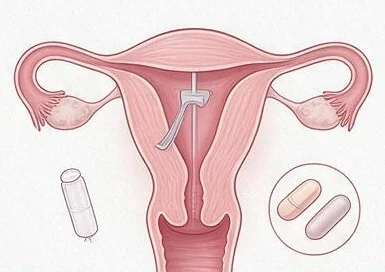
Discussion considers contraceptive needs, preferences, medical history, contraindications and practical daily use.
There is no one ideal method for everyone. Benefits, side effects and alternatives are explained. Hormonal treatment may also be discussed for some menstrual problems.
Understanding Sexual Health
Anatomy, consent, boundaries, prevention of pregnancy and infection may be discussed using age-appropriate language.
An adolescent should be able to ask questions without judgment. Receiving information does not require her to describe her intimate life or agree to an examination.
Targeted Prevention and Screening
Examinations and preventive topics are selected according to the situation. Screening for infection, when indicated, does not always require an internal examination.
HPV prevention and vaccinations can be discussed according to age and applicable recommendations. Cervical screening is not automatically part of a first adolescent consultation.
Support Without Pressure
The consultation can help a young patient express worry, discomfort, pressure or a need for protection. Confidentiality arrangements are explained according to age and circumstances.
Parents can contribute to care without speaking instead of the young patient. Private discussion may be possible when appropriate.
For a minor, the consultation, consent and information sharing must comply with applicable rules and safeguarding obligations. Promising absolute secrecy should never replace a clear explanation of these rules.
Reliable Guidance Without Rushing Development.
What Happens During a Consultation for a Child or Adolescent?
-
Listening and Explaining
The appointment begins with the reason for attendance, symptoms and questions. Explanations are also addressed directly to the child or adolescent.
-
Choosing What Is Helpful
Examination is not routine. When indicated, it is adapted to age and the concern. Tests or ultrasound may be discussed according to the situation.
-
Planning the Next Steps
Advice, treatment, monitoring or referral are explained. A pediatrician, endocrinologist or another professional may be involved if needed.
Anxiety or a previous difficult examination can be mentioned before the appointment. Steps are explained, and discomfort is taken seriously. The consultation does not aim to force an examination.
Essential Information
Your Questions About Adolescent Gynecology
Do I Have to Wait for the First Period Before Consulting?
No. Irritation, pain, bleeding or developmental concerns may justify consultation before the first period. The visit is adapted to age and reason.
Is an Internal Examination Mandatory?
No. It is not routine at a first adolescent consultation. An internal vaginal examination is not a routine examination in prepubertal children. Necessary investigations depend on symptoms.
Are Very Painful Periods Normal in Adolescence?
Some pain can occur, but its effect matters. Pain that prevents school attendance, disrupts sleep or persists despite treatment needs assessment. It should not be dismissed.
Do Irregular Cycles Always Mean PCOS?
No. Cycle patterns must be considered partly in relation to time since the first period. Many conditions can explain irregularity.
PCOS should not be diagnosed in adolescents from ovarian ultrasound or AMH measurement alone. Age-appropriate criteria must be used.
Can We Discuss Contraception Without an Intimate Examination?
Yes. Discussion and medical-history assessment may be the first step. The need for examinations depends on the method and symptoms, not a blanket requirement for every adolescent to undergo an internal examination.
Must Parents Be Present Throughout the Appointment?
Arrangements depend on age, the reason for consultation, circumstances and applicable rules. Time alone may be discussed so personal questions can be asked. Confidentiality rules and limits are explained.
What Should We Bring to the Appointment?
Previous tests, medication lists, information about growth and, where possible, menstrual dates may help. Note symptoms and their effect on daily life. You do not need a complete menstrual calendar before consulting.
When Should We Seek Prompt Medical Help?
Sudden pelvic pain, significant bleeding, dizziness, faintness, fever with pain or a worsening general condition requires prompt medical assessment.
Bleeding before puberty, an unexplained lesion or concerns about a child’s safety should also be reported. In an emergency, seek care at an appropriate facility without waiting for a practice appointment.
Can We Travel from Another Region of Tunisia?
The practice sees patients from Tunis and other regions of Tunisia by appointment. Before travelling, mention the patient’s age and the main reason for consultation.
Some situations require coordination with pediatric specialists or separate tests. Travel should not delay urgent assessment close to home.
Our Commitment
Respect Age. Listen to the Patient. Provide Guidance.
An appointment where questions are welcome and every step is explained.
Care takes account of development, comfort and the protection of children and adolescents. It aims to build trust without judgment, automatic examinations or promises of specific results.
The Practice
Your Consultation in Ennasr, Ariana
Dr Ines Ben Hassen Hached sees patients for questions about puberty, menstrual problems, intimate symptoms and preventive care. When booking, state the patient’s age and the main concern.
Located in Ennasr, Ariana Governorate, the practice welcomes patients from Tunis and other regions of Tunisia.
Dr Ines Ben Hassen Hached
First Floor, Office BA5 bisResidence La Coupole
2 Avenue Hédi Nouira, Ennasr
Ariana 2037, Tunisia
The practice’s contact channels are not an emergency service. In an urgent situation, seek care at an appropriate facility rather than waiting for an appointment.
Medical references for further reading
These institutional resources provide general background. Your care pathway and services available at the practice are discussed during your appointment.