
Understanding Your Condition
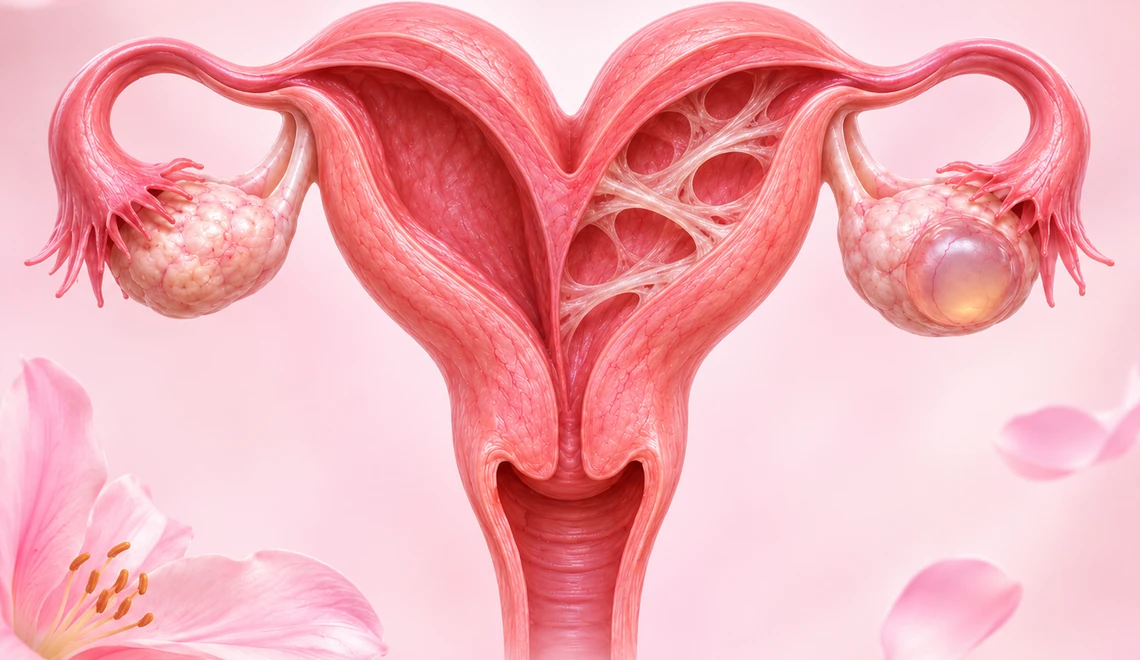
Some women are born with an unusual uterine shape; others develop adhesions inside the uterine cavity, sometimes after a procedure or infection. These are different conditions and do not always require surgical treatment.
Symptoms and Situations
Very light or absent periods, difficulty conceiving or certain obstetric histories may lead to an investigation for adhesions. A uterine malformation, by contrast, may be discovered incidentally.
Types and Key Differences
Uterine malformations include different anatomical configurations, such as a septate or bicornuate uterus, which must be correctly distinguished. Adhesions may be thin, localized or more extensive.
Which Investigations May Be Recommended?
Specialized ultrasound and sometimes other imaging examinations help characterize the shape of the uterus. Hysteroscopy provides a direct view of the cavity when indicated, particularly to investigate adhesions.
Which Treatment Options May Be Discussed?
Management depends on the abnormality identified, the symptoms and obstetric history. Some adhesions can be treated by hysteroscopy; many differences in uterine shape require no correction.
Preparation and Follow-Up at the Practice
Dr Ines Ben Hassen Hached compares the different medical reports to avoid diagnostic confusion. If treatment is provided, follow-up is tailored to the condition of the uterine cavity and any pregnancy plans.
Why Consult Dr Ines Ben Hassen Hached?
At the practice in Ennasr 2, Ariana, Dr Ines Ben Hassen Hached takes time to discuss your symptoms, medical history and expectations. She reviews any test results already available, clarifies whether treatment may be indicated and organizes a care pathway suited to your situation. Details of any procedure and information specific to your case are explained during the consultation.
For a uterine cavity variation or adhesions, imaging, medical history and pregnancy plans help determine which further investigations may be useful.
Frequently Asked Questions from Patients
Do All Uterine Malformations Prevent Pregnancy?
No. Many women with anatomical variations can conceive; the impact depends on the specific type of malformation.
Can Adhesions Be Seen on Ultrasound?
Some abnormalities may be suspected, but the most appropriate investigation depends on the patient's medical history and existing results.
Consult Dr Ines Ben Hassen Hached
To review your symptoms, tests and available care options, make an appointment at Dr Ines Ben Hassen Hached's practice in Ennasr 2, Ariana.
Telephone: +216 27 550 875 | +216 25 333 530
Address: Résidence La Coupole, Avenue Hédi Nouira, Ennasr 2, Ariana 2037, Tunisia.
Book an AppointmentNo online consultations are available. All medical consultations take place in person in Tunis.