
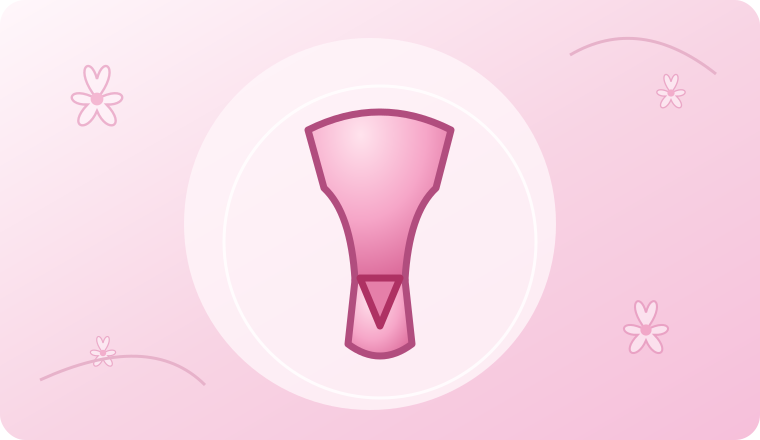
Understanding Your Condition
Cervical conization involves removing a small section of the cervix, usually following the detection of specific cellular changes. It allows the targeted area to be treated and the removed tissue to be examined. A positive HPV test alone does not automatically lead to conization.
Symptoms and Situations
Cervical abnormalities often cause no symptoms. They are mainly detected through screening, cervical cytology, HPV testing and, when required, colposcopy with biopsies.
Types and Key Differences
Results may describe cell changes of different grades. The choice between monitoring, further sampling and treatment depends on pathology reports and the gynecological context.
Which Investigations May Be Recommended?
Dr Ines Ben Hassen Hached reviews the exact screening results, biopsy reports and any previous treatments. Bringing original documents rather than giving only a verbal account is important.
Which Treatment Options May Be Discussed?
When cervical conization is indicated, the technique, anesthesia and examination of the removed tissue are explained before surgery. The subsequent follow-up recommendations are just as important as the procedure.
Preparation and Follow-Up at the Practice
Cervical follow-up follows an individualized schedule. Any desire for pregnancy should be mentioned at the consultation so obstetric history and the planned treatment can be considered.
Why Consult Dr Ines Ben Hassen Hached?
At the practice in Ennasr 2, Ariana, Dr Ines Ben Hassen Hached takes time to discuss your symptoms, medical history and expectations. She reviews any test results already available, clarifies whether treatment may be indicated and organizes a care pathway suited to your situation. Details of any procedure and information specific to your case are explained during the consultation.
When a cervical conization is discussed, cervical screening results, HPV tests and colposcopy findings, when available, help explain the proposed procedure and subsequent cervical follow-up.
Frequently Asked Questions from Patients
Does a Positive HPV Test Automatically Mean Conization Is Needed?
No. The decision depends on cellular abnormalities, biopsy results and appropriate follow-up recommendations.
Why Is Follow-Up After the Procedure Important?
It helps monitor how the cervix changes after treatment, according to a schedule determined by the findings.
Consult Dr Ines Ben Hassen Hached
To review your symptoms, tests and available care options, make an appointment at Dr Ines Ben Hassen Hached's practice in Ennasr 2, Ariana.
Telephone: +216 27 550 875 | +216 25 333 530
Address: Résidence La Coupole, Avenue Hédi Nouira, Ennasr 2, Ariana 2037, Tunisia.
Book an AppointmentNo online consultations are available. All medical consultations take place in person in Tunis.