Understanding Your Condition
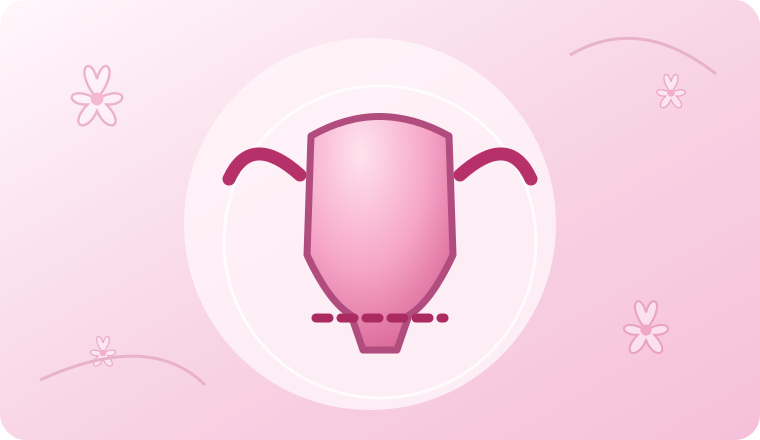
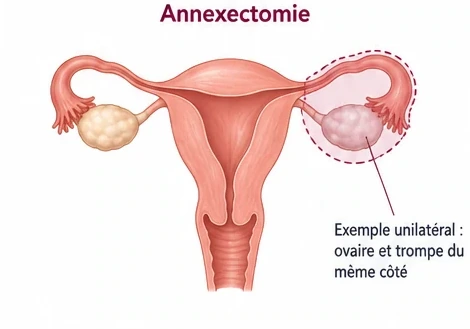
Hysterectomy is the removal of the uterus. Adnexectomy involves removing a fallopian tube and ovary on one side, or on both sides depending on the planned operation. These procedures may be proposed for very different indications and are not routinely performed together.
Symptoms and Situations
Persistent heavy bleeding, certain fibroids, complex pain or a condition requiring surgery may lead to discussion of hysterectomy. The reason for surgery should always be explained in relation to the precise diagnosis.
Types and Key Differences
A total hysterectomy removes the body and cervix of the uterus, whereas a subtotal hysterectomy leaves the cervix. Removal of the fallopian tubes or ovaries is a separate decision. Vaginal, laparoscopic or abdominal approaches may be considered.
Which Investigations May Be Recommended?
Assessment covers the medical reason for the procedure, previous treatments, available tests and personal preferences. The consultation clarifies which organs would be involved and why.
Which Treatment Options May Be Discussed?
The technique is chosen according to anatomy and the condition being treated. Before menopause, it is especially important to distinguish the consequences of removing the uterus from those of removing both ovaries, because the hormonal effects differ.
Preparation and Follow-Up at the Practice
Before scheduling surgery, Dr Ines Ben Hassen Hached explains the care pathway, planned setting, recovery period and gynecological follow-up. After a hysterectomy, carrying a pregnancy in the uterus is no longer possible.
Why Consult Dr Ines Ben Hassen Hached?
At the practice in Ennasr 2, Ariana, Dr Ines Ben Hassen Hached takes time to discuss your symptoms, medical history and expectations. She reviews any test results already available, clarifies whether treatment may be indicated and organizes a care pathway suited to your situation. Details of any procedure and information specific to your case are explained during the consultation.
For hysterectomy or adnexal surgery, the consultation reviews symptoms, available medical reports, the reasons surgery may be considered and the arrangements for follow-up care.
Frequently Asked Questions from Patients
Does Hysterectomy Always Include Removal of the Ovaries?
No. Ovaries are not routinely removed and this must be discussed as a separate decision.
Can the Operation Be Performed Without a Large Abdominal Incision?
In some situations, a vaginal or laparoscopic approach is possible; the technique depends on the individual case.
Consult Dr Ines Ben Hassen Hached
To review your symptoms, tests and available care options, make an appointment at Dr Ines Ben Hassen Hached's practice in Ennasr 2, Ariana.
Telephone: +216 27 550 875 | +216 25 333 530
Address: Résidence La Coupole, Avenue Hédi Nouira, Ennasr 2, Ariana 2037, Tunisia.
Book an AppointmentNo online consultations are available. All medical consultations take place in person in Tunis.